
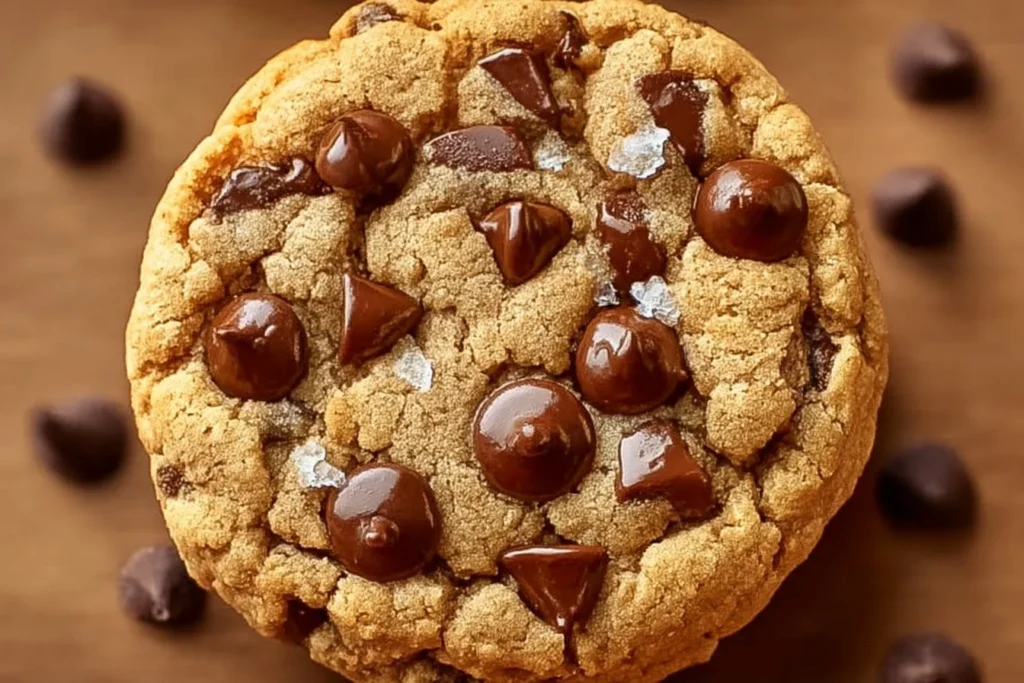
I’ve been making a version of these for quick afternoon pick-me-ups and for days I want something sweet that still feels a bit constructive. They come together with pantry staples, require only one bowl, and leave you with cookies that are soft in the middle and slightly chewy around the edges.
This recipe is especially useful when you want a chocolate chip cookie that delivers a clear protein boost without complicated swaps or extra bowls. If you like compact, repairable recipes, you can treat this like a base — similar in intent to my other protein-forward baked ideas — and adapt the binder or chips quietly as needed. See my protein donut notes for a similar approach to high-protein sweets.
Why This Recipe Works
- Peanut butter does double duty: it provides fat for a tender crumb and enough structure that you don’t need flour, keeping the mix dense and moist.
- Protein powder firms the dough while adding body; used with baking soda it helps the cookies hold shape without becoming cakey.
- Two eggs bind everything together and give a glossy, slightly chewier interior — you get tender centers with modest spread.
- Chocolate chips add bursts of sweetness and texture contrast, preventing these from tasting overly “powdery” from the protein.
- One-bowl preparation means minimal cleanup, and the sturdy dough stores well for grab-and-go snacks or lunchbox additions. If you prefer a lower-sugar version, I keep an alternative on hand that follows the same logic.
Quick Kitchen Note
This is a dependable, low-fuss recipe I reach for when I need a portable sweet that still satisfies without extra steps. It tolerates quick ingredient swaps and short rests, so it fits into busy evenings or a basic weekend bake session.
What It Tastes Like
These cookies are peanut-butter forward, with a rounded sweetness from the sugar and chocolate chips. Texture is dense and slightly chewy, not airy — the protein powder adds body rather than lightness. You’ll notice a roasted peanut aroma and a clean, slightly savory finish from the baking soda and pinch of salt.
Ingredients
The key players are peanut butter for fat and flavor, eggs for structure, and protein powder for extra body. You can swap the peanut butter with almond, cashew, or sunflower seed butter for a different nutty note; choose a vanilla or neutral protein powder for the best balance.
- 2 large Eggs (Binds ingredients together and enhances texture.)
- 1 cup Peanut Butter (Can substitute with almond, cashew, or sunflower seed butter.)
- ¾ cup Sugar (Options include white, brown, or coconut sugar.)
- 1 teaspoon Vanilla Extract (Essential for flavor enhancement.)
- 1 cup Protein Powder (Opt for vanilla pea protein or whey protein.)
- 1 teaspoon Baking Soda (Ensure it’s fresh for optimal baking.)
- 1 pinch Salt (Omit if using salted peanut butter.)
- ½ cup Chocolate Chips (Semi-sweet chips are highly recommended.)
Step-by-Step Instructions
- Combine the wet ingredients in a large bowl: crack in the eggs, add the peanut butter, sugar, and vanilla. Stir until the mixture is glossy and fairly smooth — a few small streaks are fine.
- Add the protein powder, baking soda, and the pinch of salt. Fold until the mixture is evenly combined and thick. The dough should be dense but scoopable; if it looks dry and crumbly, beat a touch more until it holds together.
- Stir in the chocolate chips so they’re distributed through the dough. You want visible chips on the surface of the dough but not a paste of chips.
- Scoop tablespoon-sized portions onto a lined baking sheet, spacing them so they won’t merge. Flatten each mound gently with the back of a spoon — they won’t spread much but a slight press helps them bake evenly.
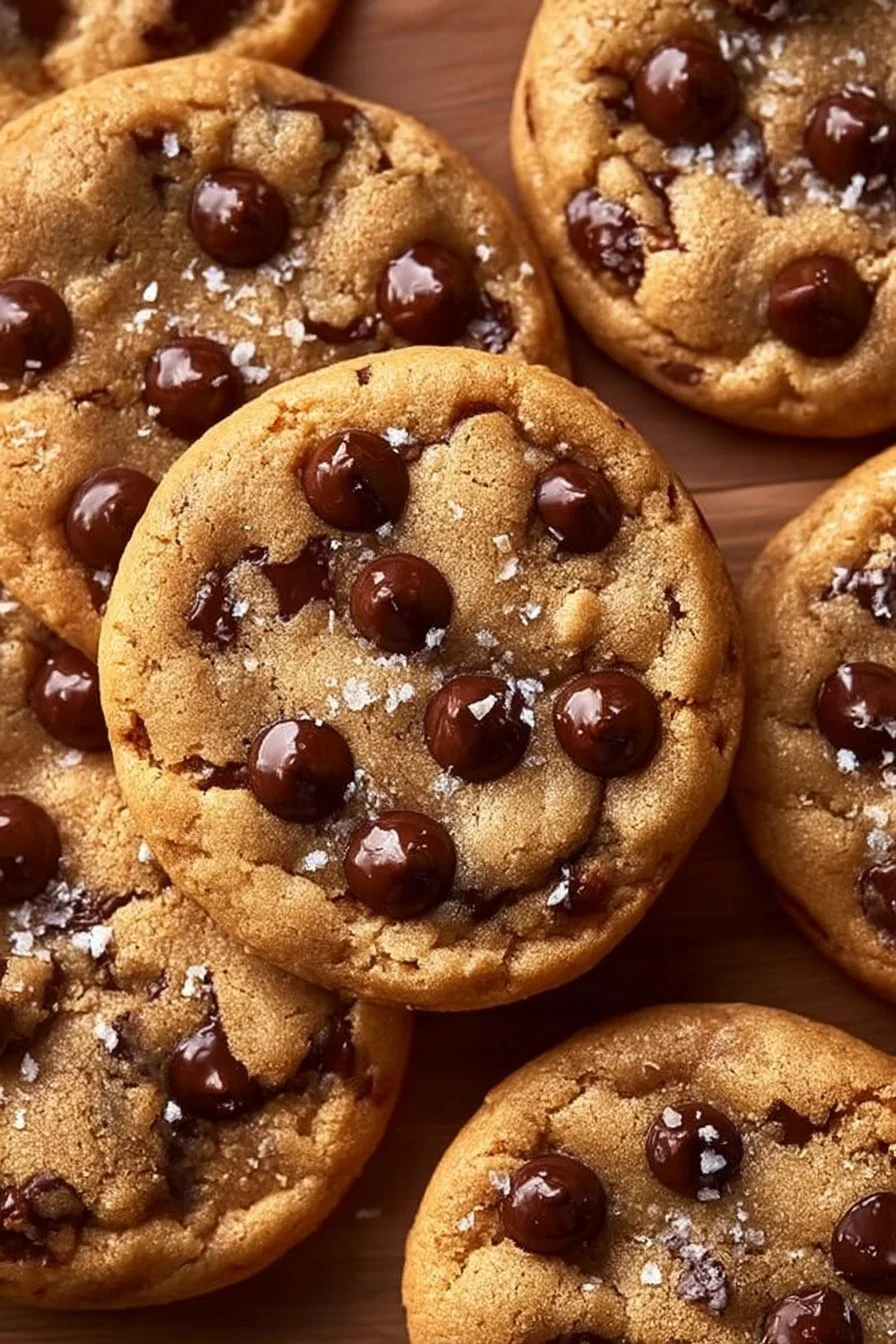
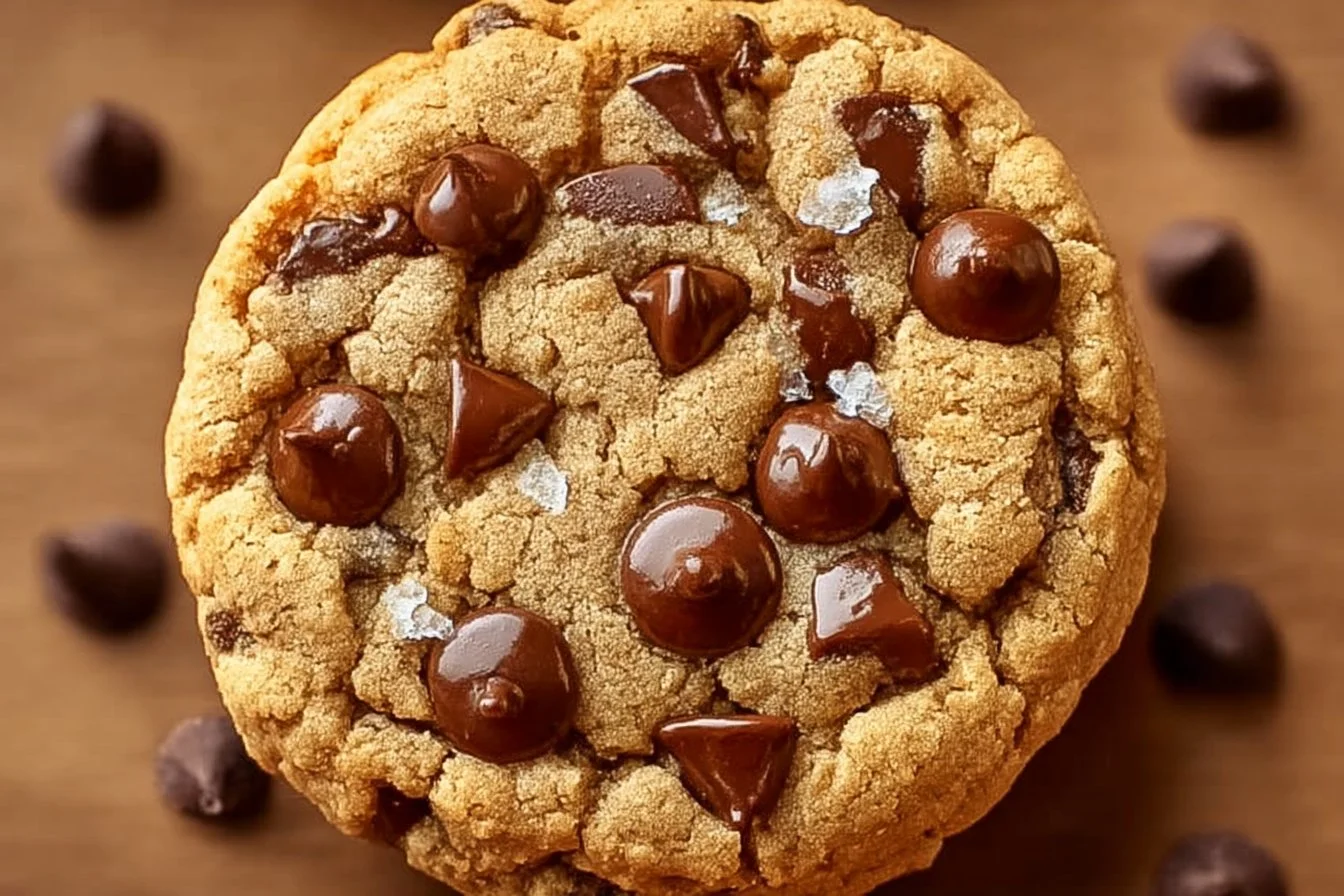
- Bake until the edges look set and the tops have a few small surface cracks. The centers should remain slightly soft when you touch them lightly; they will firm as they cool. Remove from the oven and let cool on the sheet for a few minutes before transferring to a rack.
- Cool completely before storing. Proper cooling helps the interior set and prevents the cookies from feeling overly soft or gummy in the middle.
Common Mistakes to Avoid
- Overmixing dry and wet: Why it matters — overworked protein powder can make cookies dry. Fix — mix until just combined and stop when the dough holds together.
- Using very runny nut butter: Why it matters — excessive oil causes spread and sogginess. Fix — use a standard, thicker peanut butter or chill the dough briefly before baking.
- Skipping the pinch of salt: Why it matters — without it the sweetness and peanut flavor feel flat. Fix — include the salt unless your peanut butter is salted.
- Baking before the dough is shaped consistently: Why it matters — uneven sizes give uneven bake. Fix — use a scoop for consistent portions.
Variations and Swaps
- Nut butter swap: Almond, cashew, or sunflower seed butter all work; expect slight flavor and texture shifts.
- Protein swap: Vanilla whey or pea protein gives the most neutral flavor; chocolate protein can intensify chocolate notes if you prefer.
- Sugar options: White, brown, or coconut sugar are all acceptable; brown sugar will make cookies a touch moister.
- Chip swaps: Use chopped dark chocolate or chopped nuts for more texture.
Serving Suggestions
Serve warm with a glass of milk, a spoonful of yogurt, or alongside fruit for a portable snack. If you want a lower-sugar pairing, these work nicely with plain Greek yogurt and berries. For a vegan or sugar-reduced approach, I have a complementary cookie method that follows similar serving logic.
Storage and Meal Prep
Store cooled cookies in an airtight container at room temperature for several days. For longer storage, freeze on a tray until solid, then transfer to a bag; thaw at room temperature or briefly in your hand. These are good to keep pre-portioned for lunches or after-work snacks. I also keep a selection of make-ahead cookie ideas that use the same storage rules for busy weeks.
FAQs
Q: Can I make the dough ahead?
A: Yes — you can shape the dough, freeze the scoops on a tray, then bake from frozen. Let them sit a few minutes after baking to finish setting.
Q: What if my dough is too dry?
A: If it won’t hold, beat it a little longer; if that fails, add a teaspoon of water or an extra beaten egg white until it comes together.
Q: Can I omit the chocolate chips?
A: You can, but the chips add texture and sweetness that balances the protein powder. Consider adding chopped nuts or a sprinkle of sea salt on top if you skip chips.
Final Tip
If you plan to prep ahead, portion the dough into individual scoops and freeze — that way you only bake what you need and avoid any guesswork about doneness.
Conclusion
For a different base that still leans on protein and pantry-friendly swaps, consider this chickpea-based approach for a unique texture and flavor: Chickpea, chocolate chip cookies | By Chef Healthy Henry. If you want another low-guilt recipe that inspired the same idea, see Dan’s Guilt Free Chocolate Chip Cookies.
Peanut Butter Protein Cookies
Ingredients
Method
- Combine the wet ingredients in a large bowl: crack in the eggs, add the peanut butter, sugar, and vanilla. Stir until the mixture is glossy and fairly smooth — a few small streaks are fine.
- Add the protein powder, baking soda, and the pinch of salt. Fold until the mixture is evenly combined and thick. The dough should be dense but scoopable; if it looks dry and crumbly, beat a touch more until it holds together.
- Stir in the chocolate chips so they’re distributed through the dough. You want visible chips on the surface of the dough but not a paste of chips.
- Scoop tablespoon-sized portions onto a lined baking sheet, spacing them so they won’t merge. Flatten each mound gently with the back of a spoon — they won’t spread much but a slight press helps them bake evenly.
- Bake until the edges look set and the tops have a few small surface cracks. The centers should remain slightly soft when you touch them lightly; they will firm as they cool.
- Remove from the oven and let cool on the sheet for a few minutes before transferring to a rack.
- Cool completely before storing. Proper cooling helps the interior set and prevents the cookies from feeling overly soft or gummy in the middle.