Some mornings you want pancakes, but you don’t want a sink full of bowls or a batter that feels fussy. These Greek yogurt pancakes are the kind I make when I need something quick, warm, and steady—no complicated steps, no long ingredient list, and no guessing once the pan is hot. If you already keep Greek yogurt around, you’re most of the way there.
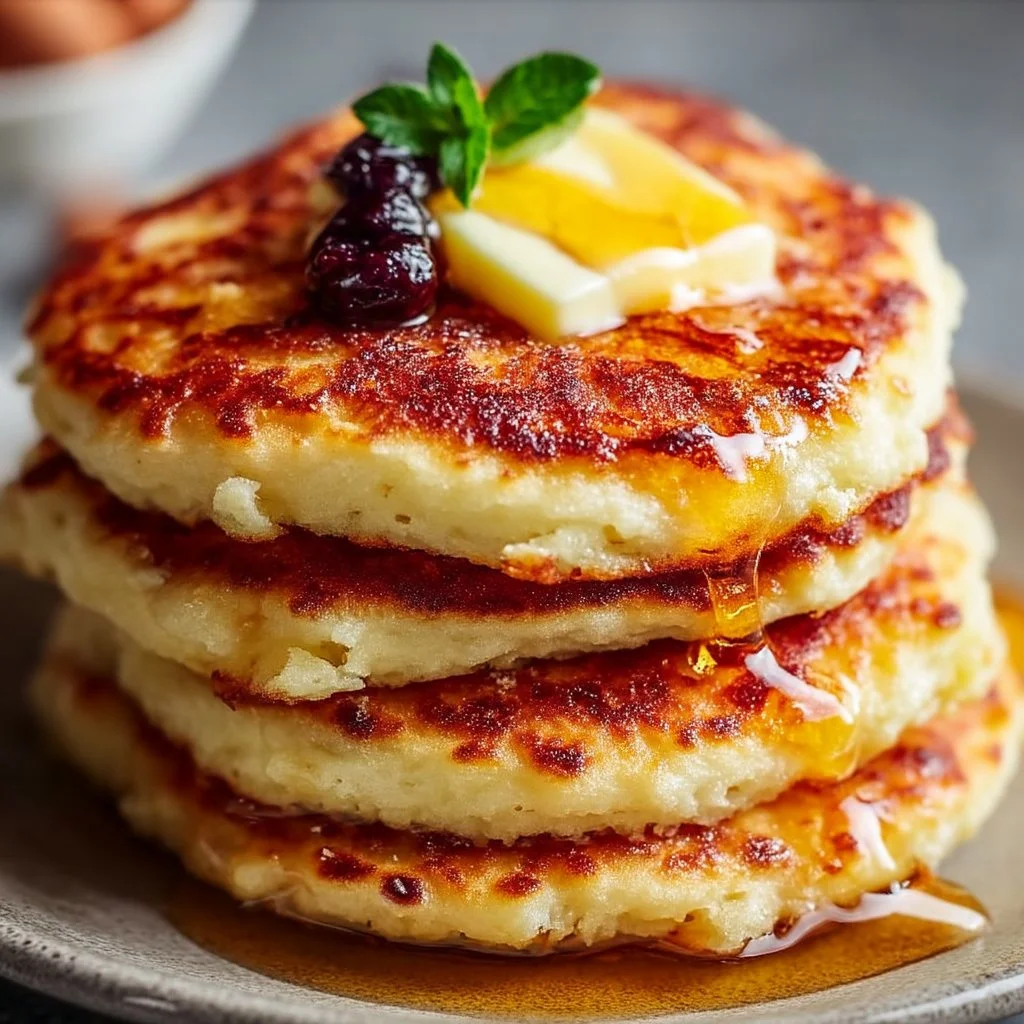
The payoff is a thick, tender pancake with a lightly nutty flavor from almond flour and a gentle vanilla finish. Coconut flour helps the batter hold together, and egg whites keep the texture light without making the pancakes fragile. If you’ve ever made almond-flour pancakes that turned out too delicate or too wet in the center, this version is much more predictable. And if you’re already baking with yogurt, recipes like Greek yogurt brownies make it easy to use up the rest of the container.
Why This Recipe Works
- Almond flour + coconut flour balance: almond flour brings moisture and a soft crumb, while a small amount of coconut flour absorbs excess liquid so the pancakes set properly.
- Greek yogurt gives structure and tenderness: it thickens the batter and helps the pancakes cook up plush instead of dry or crumbly.
- Egg whites lighten the texture: you get lift without needing a complicated mixing technique.
- A small amount of baking powder improves the rise: just enough to avoid dense pancakes, without a “chemical” taste.
- One-bowl batter is realistic: you can mix it quickly and get straight to the pan with minimal cleanup.
- Reliable doneness cues: the batter’s thickness makes it easier to spot when the pancakes are ready to flip and fully set inside.
Quick Kitchen Note
I rely on this style of batter when I want pancakes that behave well in the pan—easy to portion, easy to flip, and less likely to tear than many flourless versions. It’s also a good “use what you have” recipe when there’s Greek yogurt in the fridge and you want something warm without a lot of prep.
What It Tastes Like
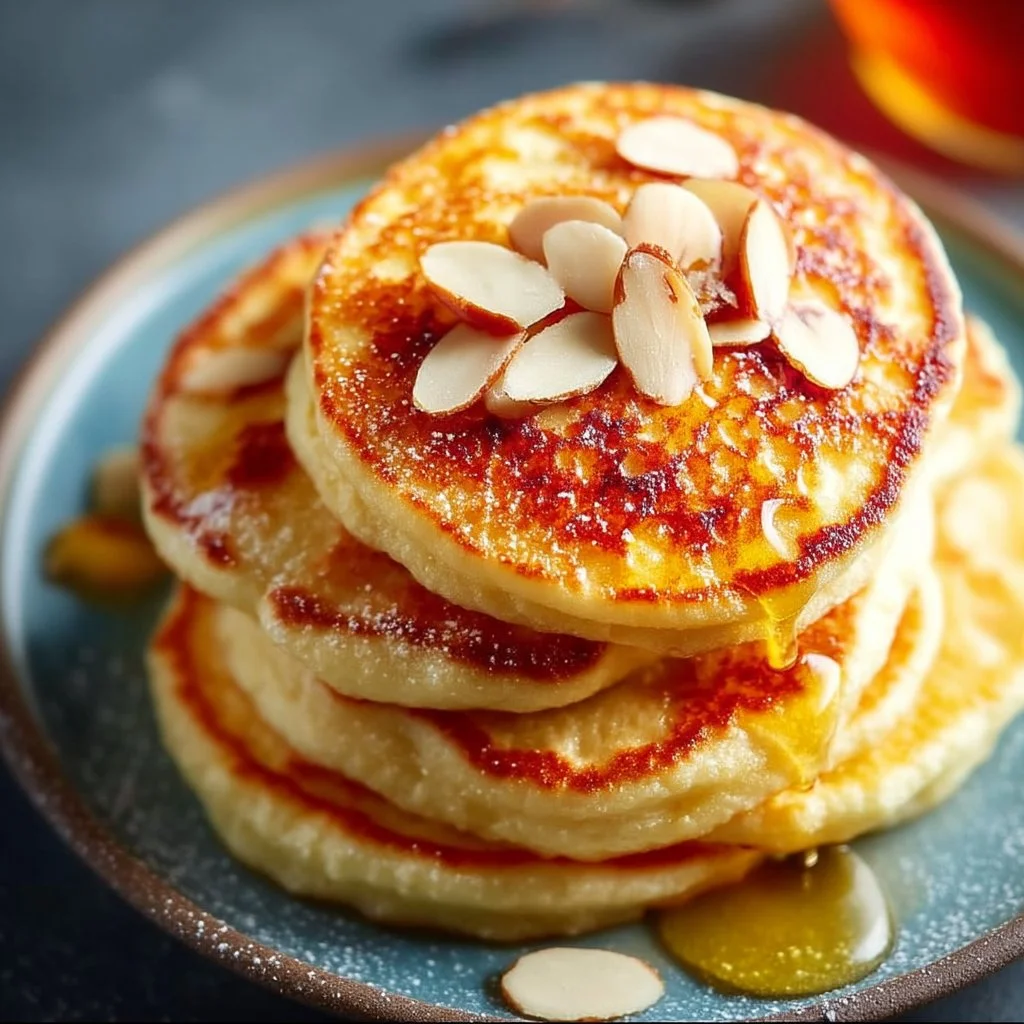
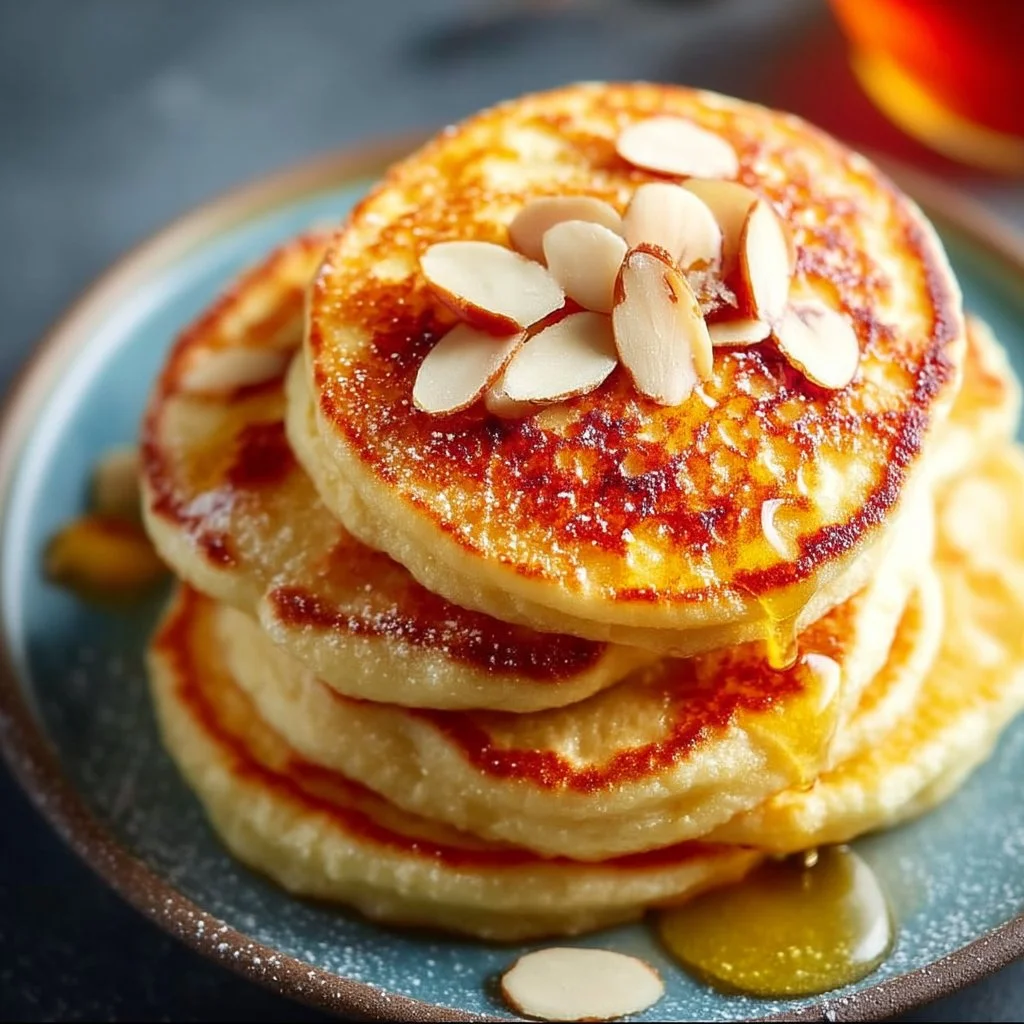
These pancakes taste lightly sweet and clean, with a gentle tang from the Greek yogurt and a cozy vanilla aroma. The almond flour gives a subtle nuttiness, and the coconut flour keeps the centers tender but set—soft and cakey rather than wet. The finish is mellow and balanced, not heavy.
Ingredients
This recipe is built around thick Greek yogurt, finely ground almond flour, and a small amount of coconut flour for stability. I prefer a finer almond flour (it makes the pancakes less gritty), and a Greek yogurt like Fage 2% for a batter that’s thick but still easy to spread. If your yogurt is thinner, expect a looser batter and slightly more delicate pancakes. For more yogurt-based baking ideas, this simple yogurt cake is another dependable option.
- 2/3 cup almond flour (I always use King Arthur for a finer grind)
- 2 tbsp coconut flour
- 1/2 cup greek yogurt (I prefer Fage 2% for the perfect consistency)
- 1/2 tsp vanilla
- 1/4 tsp baking powder
- 1/4 cup egg whites
- Pinch of salt
Step-by-Step Instructions
- Mix the dry ingredients first. In a medium bowl, stir together the almond flour, coconut flour, baking powder, and a pinch of salt. Break up any little clumps—coconut flour in particular likes to clump, and smoothing it out now prevents dry pockets later.
- Add the wet ingredients. Add the Greek yogurt, vanilla, and egg whites. Stir until you have a thick, cohesive batter with no dry flour visible. It should look creamy and slightly fluffy, not pourable like crepe batter.
- Let the batter sit briefly. Give the batter a short rest (a minute or two) so the coconut flour can hydrate. You’ll notice it thicken slightly; that’s what helps these pancakes hold together when you flip.
- Cook in a preheated pan. Heat a nonstick skillet or well-seasoned pan over medium to medium-low heat. Spoon the batter into the pan and gently spread each pancake into a small round—these do better as smaller pancakes because they’re easier to flip and cook through.
- Flip when the edges look set. Cook the first side until the edges look more matte and set and the center looks less glossy. Slide a thin spatula underneath and flip carefully in one confident motion.
- Finish cooking until set. Cook the second side until it’s lightly browned and the pancake feels springy when gently pressed in the center. If the pancakes are browning too fast before the centers set, lower the heat; almond flour browns quickly.
Common Mistakes to Avoid
- Making the pancakes too large: larger pancakes are harder to flip and can stay undercooked in the center; keep them small and easy to turn.
- Cooking on heat that’s too high: almond flour browns fast; use medium to medium-low so the outside doesn’t darken before the inside sets.
- Skipping the short rest: coconut flour needs a moment to absorb moisture; resting helps the batter thicken and reduces breakage.
- Overmixing to “smooth it out”: mix just until cohesive; excessive stirring can make the batter tighten and bake up less tender.
- Flipping too early: if the center still looks glossy and loose, it’s more likely to tear; wait for set edges and a more matte surface.
Variations and Swaps
- Almond flour grind matters: a finer grind (like King Arthur) gives a smoother pancake; coarser almond meal can make the texture more rustic and slightly crumbly.
- Greek yogurt consistency: thicker Greek yogurt makes a thicker batter and sturdier pancakes; if yours is runnier, cook the pancakes smaller and a bit lower/slower for better structure.
- Vanilla level: keep it at 1/2 teaspoon for a clean, balanced flavor; it’s enough to round out the yogurt tang without turning the pancakes “desserty.”
If you’re working through almond flour in your pantry, you might also like this almond flour crust recipe for a completely different use of the same staple.
Serving Suggestions
Serve these warm so the centers stay tender and the edges stay lightly crisp. If you’re planning a bigger breakfast spread, pair them with something simple and yogurt-forward on the side—slices of lemon yogurt cake work nicely for a brunch-style table.
Storage and Meal Prep
- Fridge: Store cooled pancakes in an airtight container. They hold up well because the yogurt keeps them tender.
- Reheat: Warm gently in a skillet over low heat or microwave briefly until just heated through. Avoid high heat, which can dry the edges.
- Meal prep: Cook a batch, cool completely, and stack with parchment if you’re worried about sticking. Reheat small portions as needed for quick breakfasts.
FAQs
Why is my batter so thick?
This batter is meant to be thick. Coconut flour absorbs moisture quickly, and the Greek yogurt adds body. Spoon it into the pan and spread gently rather than expecting it to pour.
My pancakes browned too fast—what happened?
The heat is likely too high. Almond flour browns quickly, so lower the heat and cook a bit longer so the centers can set before the outside darkens.
Why did my pancakes fall apart when flipping?
They were either too large or flipped too early. Make smaller pancakes and wait until the edges look set and the surface is less glossy before turning.
Can I mix the batter ahead of time?
You can mix it shortly before cooking, but it will continue to thicken as it sits. If it becomes very stiff, cook smaller pancakes and spread the batter gently in the pan.
Final Tip
Keep your first pancake as a “test” for heat: once you see how quickly it browns and how fast the center sets, adjust to medium-low and settle into a steady rhythm—small pancakes, patient flip, and you’ll get a tender stack without any drama.
Greek Yogurt Pancakes
Ingredients
Method
- In a medium bowl, stir together the almond flour, coconut flour, baking powder, and a pinch of salt.
- Add the Greek yogurt, vanilla, and egg whites. Stir until you have a thick, cohesive batter.
- Allow the batter to rest briefly for a minute or two.
- Preheat a nonstick skillet or well-seasoned pan over medium to medium-low heat.
- Spoon the batter into the pan and gently spread each pancake into a small round.
- Cook until the edges look set and the center is less glossy, then flip carefully.
- Finish cooking until lightly browned and springy in the center.