
Some nights you want the comfort of meatloaf without the heavy, greasy feel—or a long list of ingredients you don’t normally keep around. This one is built from pantry basics (oats, ketchup, dried herbs) plus a few fresh aromatics, and it comes together fast in one bowl.
It’s especially useful when you need reliable slices for dinner and leftovers that reheat well for lunch. The applesauce keeps the loaf tender, the oats give it structure without bread crumbs, and everything bakes up neatly in a loaf pan so cleanup stays simple (if you like this style of practical comfort food, my heart-healthy chicken casserole falls into the same low-fuss category).
Why This Recipe Works
- Oats + egg bind without heaviness. The oats give the loaf a sturdy slice while the egg helps it hold together, so it doesn’t crumble when you cut it.
- Applesauce keeps it moist. Unsweetened applesauce adds moisture and a gentle sweetness that balances the savory spices without making it taste “fruity.”
- Onion, bell pepper, and garlic build real flavor. You get that classic meatloaf aroma and savory depth without needing extra sauces or toppings.
- Low-sodium ketchup adds tang and color. It brings a familiar meatloaf flavor and helps the loaf bake up with a slightly richer-looking finish.
- One-bowl mixing, loaf-pan baking. Minimal tools, no stovetop steps—this is a mix-and-bake recipe that’s easy to fit into a normal evening.
- Leftovers are genuinely useful. The texture stays cohesive after chilling, which makes it ideal for neat slices in meal-prep containers (I often pair leftovers with something simple like the sides I use alongside my weeknight casserole meals).
Quick Kitchen Note
I rely on this kind of meatloaf when I want a dependable main that doesn’t require babysitting: you mix it, shape it, and the oven does the work while you reset the kitchen or prep tomorrow’s lunch.
What It Tastes Like
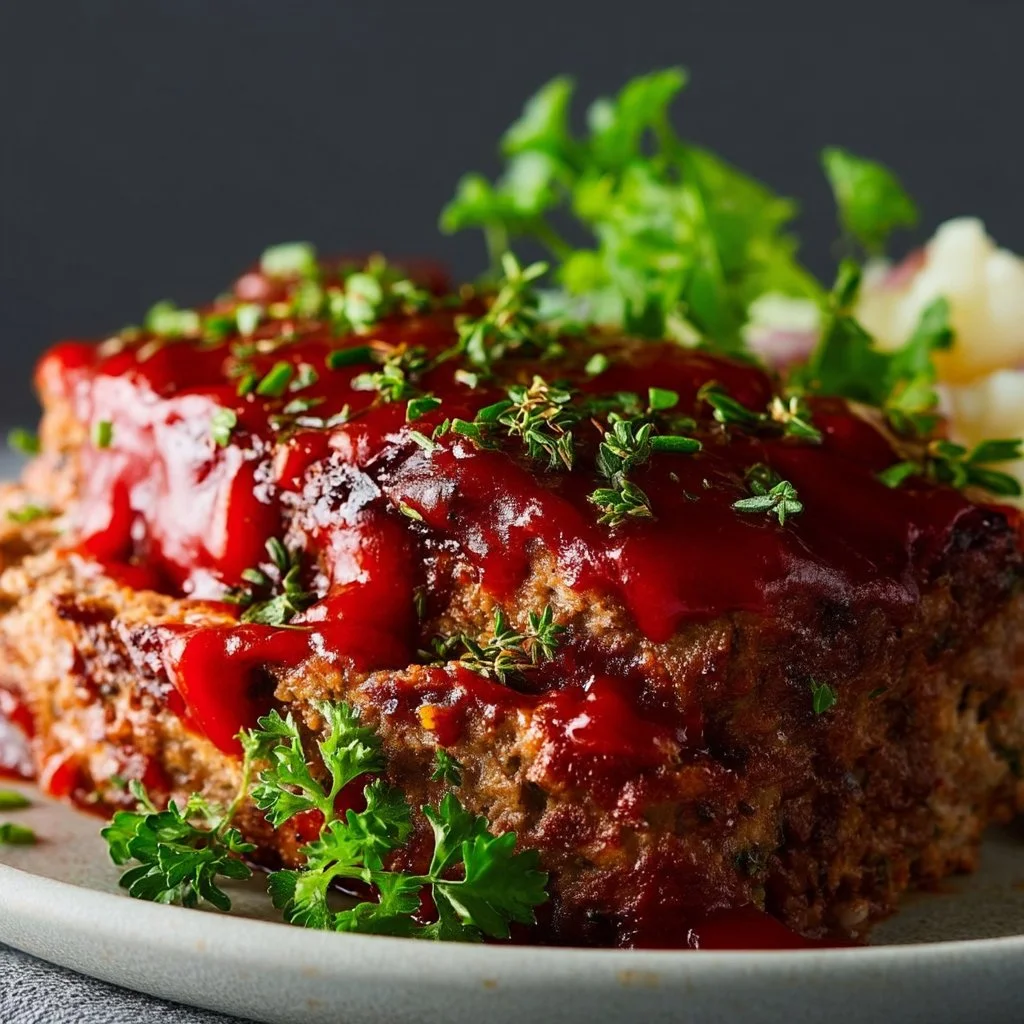
This meatloaf is savory and gently smoky from paprika, with a herby back note from thyme and a little bite from black pepper. The onions and bell peppers soften into the loaf, so every slice is aromatic and moist, not dry or tight. The ketchup and applesauce give a balanced sweet-tang finish—subtle, not sugary—so it still reads as classic meatloaf.
Ingredients
This recipe is built around lean ground turkey or lean beef, with oats for structure and unsweetened applesauce for moisture. The chopped onion, bell pepper, and garlic bring the “meatloaf” flavor you expect, while thyme and paprika keep the seasoning simple but not flat. If you’re choosing between turkey and beef, turkey will taste lighter; lean beef will taste a little richer—both work well with the same bake time. For the mix-ins, keep the oats as-is (they’re doing important binding work), but you can tweak the onion and bell pepper ratio based on what you have.
- 1 lb ground turkey or lean beef
- 1 cup oats
- 1/2 cup chopped onions
- 1/2 cup chopped bell peppers
- 2 cloves garlic, minced
- 1/2 cup unsweetened applesauce
- 1/4 cup low-sodium ketchup
- 1 egg
- 1 teaspoon black pepper
- 1 teaspoon dried thyme
- 1 teaspoon paprika
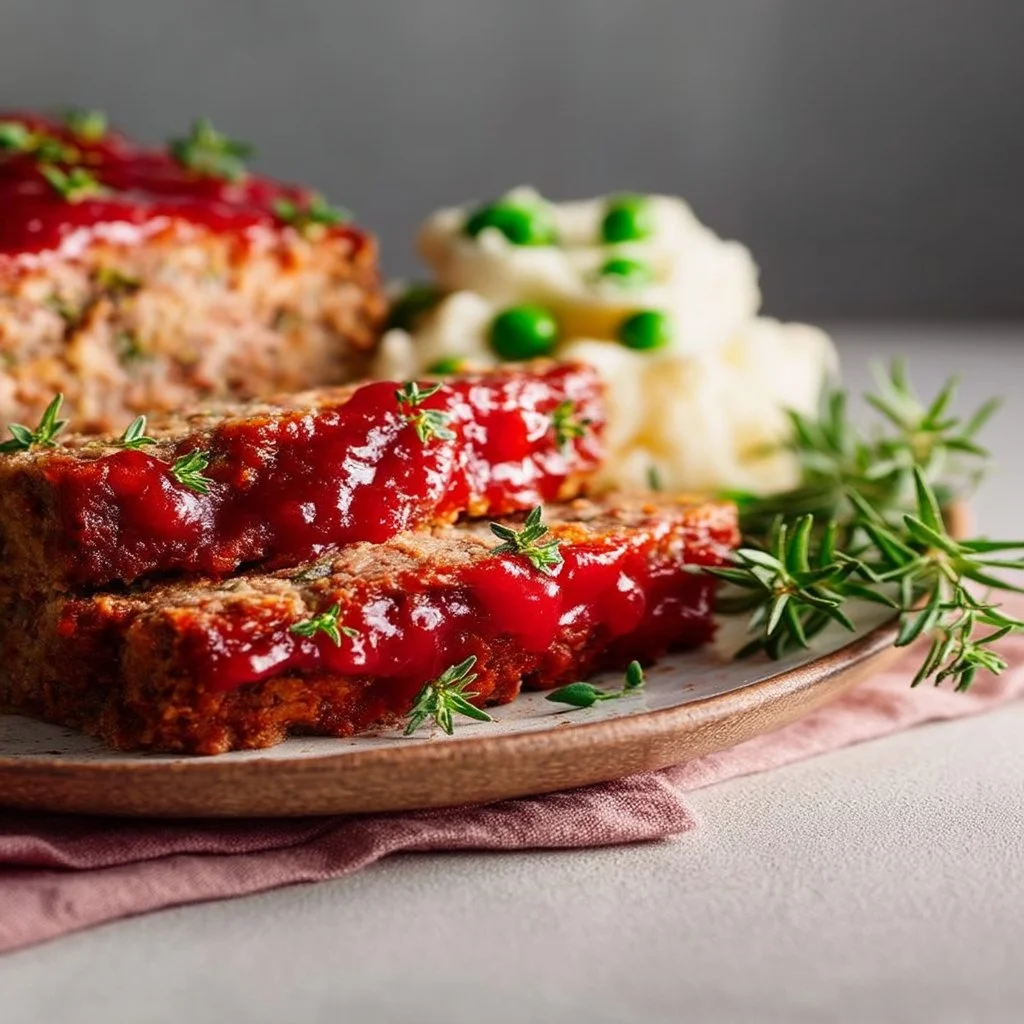
Step-by-Step Instructions
- Preheat the oven. Set your oven to 350°F (175°C) so it’s fully hot when the loaf goes in. This helps the meatloaf start cooking evenly right away.
- Mix everything in one bowl. In a large bowl, combine the ground meat, oats, chopped onions, chopped bell peppers, minced garlic, applesauce, low-sodium ketchup, egg, black pepper, dried thyme, and paprika. Mix until the ingredients are evenly distributed and you don’t see dry pockets of oats.
Cue: The mixture should look cohesive and slightly sticky, with the vegetables spread throughout—not separated into layers. - Shape in a loaf pan. Transfer the mixture to a loaf pan and shape it into an even loaf. Press it in gently so it holds together, but don’t pack it down hard (over-packing can make slices feel dense).
- Bake until properly done. Bake for 50–60 minutes, or until the center reaches an internal temperature of 165°F (74°C).
Cue: The loaf should look set and firm, and the edges will appear slightly darker than the center. - Rest, then slice. Let the meatloaf rest for a few minutes before slicing. Resting helps the juices redistribute so slices stay intact instead of crumbling. If you’re planning lunches, this is also the point where I’ll portion a few slices for later—similar to how I portion leftovers from my meal-prep friendly casseroles.
Common Mistakes to Avoid
- Overmixing the meat. It can make the loaf tight instead of tender. Fix: Mix just until everything is evenly combined—stop once the oats and vegetables look well distributed.
- Packing the loaf too firmly in the pan. Compressing it can lead to a dense, less pleasant slice. Fix: Press gently to shape, then smooth the top without mashing it down.
- Skipping the thermometer. Lean meat can look “done” before it’s safely cooked through. Fix: Check the center for 165°F (74°C) and pull it once it hits temp.
- Slicing too soon. Hot meatloaf is more likely to fall apart. Fix: Rest a few minutes so it firms up and slices cleanly.
- Uneven chopping on the vegetables. Large chunks can create weak spots that break slices. Fix: Chop the onion and bell pepper into small, even pieces so they soften into the loaf.
Variations and Swaps
- Choose your ground meat: Ground turkey makes a lighter-tasting loaf; lean beef gives a deeper, more traditional meatloaf richness. Keep the amount the same (1 lb).
- Adjust the vegetables: If you’re short on one, you can increase the other a bit while keeping the total chopped veg around the same so the loaf still holds together.
- Change the spice balance: Keep the same total seasonings, but nudge them to suit your taste—more thyme for a more herbal loaf, more paprika for a slightly smokier profile.
- Serving format: Bake as written for slices, then use leftovers for simple bowls. I like meatloaf in a lunch container the same way I’d pack something from my protein-and-veg casserole rotation: a few slices plus whatever vegetables you already have.
Serving Suggestions
- Serve thick slices for dinner with a simple side you can prep while it bakes (think a quick salad or any vegetable you like roasted).
- For lunch, slice it thinner and pack it as an easy protein component in a grain bowl.
- If you’re feeding picky eaters, this one is approachable: the ketchup, thyme, and paprika keep the flavor familiar while the vegetables blend in.
Storage and Meal Prep
Store leftover slices in the fridge in a covered container. Meatloaf is one of those foods that often slices even more cleanly once it’s fully chilled, so it’s great for next-day lunches. For reheating, warm slices until heated through; if you’re reheating multiple slices, keep them in a single layer so they heat evenly. If you’re meal prepping, portion individual slices so you can grab-and-go—this is the same practical approach I use with my make-ahead casserole leftovers.
FAQs
Can I mix the meatloaf ahead of time?
Yes. You can mix and shape it in the loaf pan, then bake when you’re ready. If it’s been sitting, just make sure you still bake to 165°F (74°C).
Why did my meatloaf come out dry?
Dryness usually comes from overbaking or using lean meat without checking temperature. Pull it as soon as it reaches 165°F (74°C) and let it rest before slicing.
Do I have to use a loaf pan?
This recipe is written for a loaf pan, which helps it hold shape and bake evenly. If you change the pan, watch doneness closely and still use the temperature cue.
Can I use turkey or beef interchangeably without changing anything else?
Yes. Keep the same ingredient amounts and bake time range, and rely on the internal temperature for the final call.
Final Tip
When you mix, aim for “evenly combined” rather than perfectly smooth—once you see the oats and vegetables distributed throughout and the mixture holds together, stop mixing. That small restraint is one of the easiest ways to keep a lean meatloaf tender.
Conclusion
If you want to compare approaches to low-sodium meatloaf, it can be helpful to look at a few versions side by side—here’s a low sodium meatloaf recipe, another take on low sodium meatloaf, and a heart healthy meatloaf recipe for additional perspective on seasoning and structure.
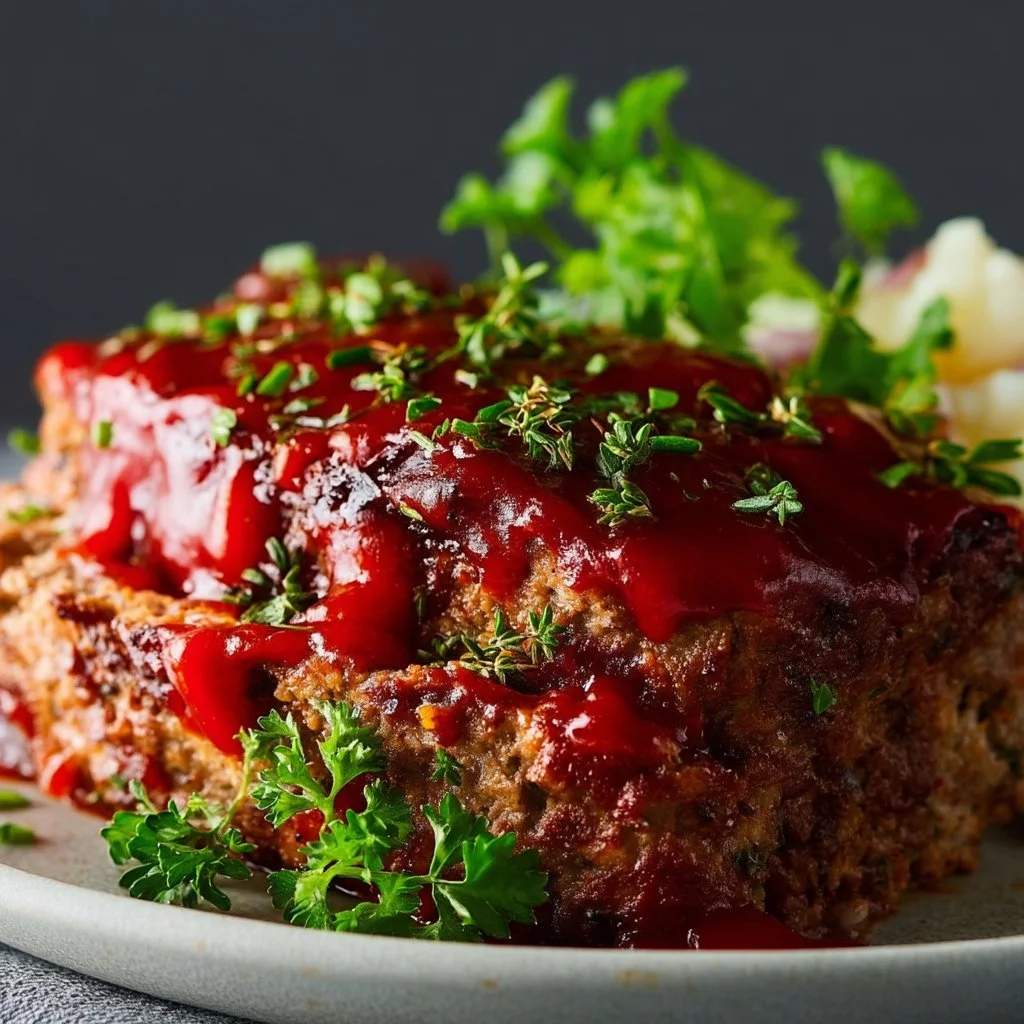
One-Bowl Low-Sodium Meatloaf
Ingredients
Method
- Preheat the oven to 350°F (175°C).
- In a large bowl, combine the ground meat, oats, chopped onions, chopped bell peppers, minced garlic, applesauce, low-sodium ketchup, egg, black pepper, dried thyme, and paprika. Mix until evenly distributed.
- Transfer the mixture to a loaf pan and shape it into an even loaf, pressing gently without packing it too tightly.
- Bake for 50–60 minutes, or until the center reaches an internal temperature of 165°F (74°C).
- Let the meatloaf rest for a few minutes before slicing to help the juices redistribute.