Some nights you just need dinner to happen quickly, with whatever is already in the crisper drawer. This cabbage stir-fry is the kind of recipe I rely on when I want a hot, savory bowl in minutes—without committing to a sink full of pans.
It’s simple: tender-crisp cabbage, a little aromatics, a glossy sauce that clings instead of pooling, and one skillet from start to finish. If you’re already rotating meal-prep staples like oats khichdi in your week, this is another practical option that cooks fast and reheats well.
Why This Recipe Works
- Cabbage cooks fast but stays satisfying. You’re aiming for wilted edges with a little bite left—so it feels hearty, not mushy.
- Aromatics do the heavy lifting. Cooking the garlic (and other aromatics from the recipe) briefly first perfumes the whole pan without needing a long simmer.
- The sauce turns glossy, not watery. Mixing the sauce before it hits the heat helps it coat the cabbage evenly instead of separating.
- One-pan, high-heat cooking keeps flavor concentrated. A quick stir-fry drives off excess moisture so the cabbage tastes savory, not steamed.
- Flexible for real-life servings. It works as a light main over rice/noodles or as a fast side alongside anything already cooking.
- Leftovers reheat reliably. The texture softens slightly, but the flavor holds—great for lunch containers.
Quick Kitchen Note
I make cabbage stir-fries when I want something hot and vegetable-forward that doesn’t require a separate saucepot or oven time; as long as you keep the pan hot and don’t overcrowd it, the whole dish comes together quickly and tastes intentional.
What It Tastes Like
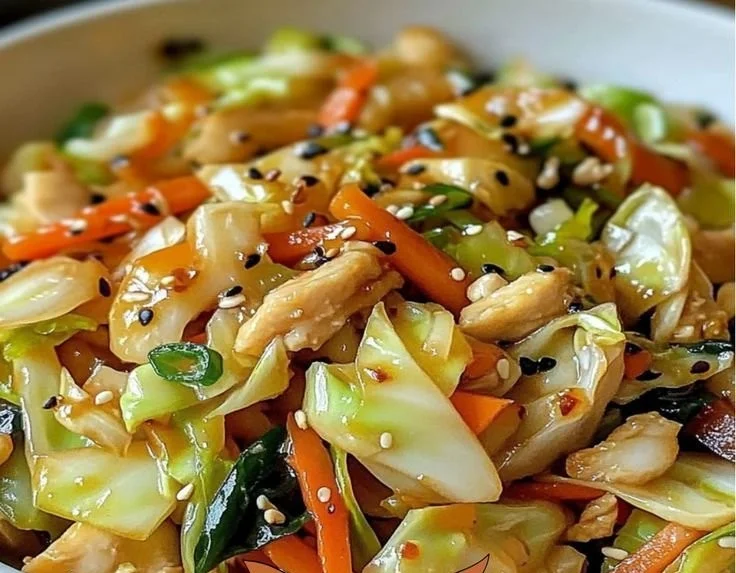
This is savory and aromatic, with lightly sweet cabbage balanced by salty, umami-rich sauce. The texture is the point: edges that are slightly browned and tender, centers that still have a bit of crunch. It smells like garlic and toasted sauce as it hits the pan, and it finishes clean—flavorful without feeling heavy.
Ingredients
This recipe leans on cabbage as the main ingredient, with a small handful of pantry staples to build a quick stir-fry sauce. If your recipe includes a mix of green cabbage and carrots or onions, keep them thinly sliced so they cook at the same pace; if it calls for soy sauce, you can stick with it as written for the right salty backbone.
- Green cabbage (thinly sliced)
- Carrot (julienned or thinly sliced), if included in the recipe
- Onion (thinly sliced), if included in the recipe
- Garlic (minced)
- Fresh ginger (minced), if included in the recipe
- Oil (for stir-frying)
- Soy sauce (or the sauce base specified in the recipe)
- Rice vinegar (or vinegar specified), if included
- Sesame oil, if included
- Sweetener (such as sugar or honey), if included
- Cornstarch (optional, if included for thickening)
- Water (as needed for sauce consistency, if included)
- Salt and black pepper (to taste), if included
- Red pepper flakes (optional), if included
Step-by-Step Instructions
- Prep the cabbage and vegetables. Thinly slice the cabbage so it cooks quickly and evenly. If your recipe includes onion and carrot, slice them thin/julienne so they keep up with the cabbage in the pan.
- Mix the sauce before you start cooking. In a small bowl, whisk together the soy sauce and any other sauce ingredients from the recipe (vinegar, sweetener, sesame oil, water, and cornstarch if used). You want it smooth and ready to pour—stir-frying moves fast.
- Heat the pan properly. Place a large skillet or wok over medium-high heat and add the oil. Give it a moment—when the oil shimmers, you’re ready. A hot pan helps the cabbage sear at the edges instead of turning wet.
- Bloom the aromatics. Add garlic (and ginger, if included) and stir for just a short moment until fragrant. Don’t let it brown deeply; garlic can turn bitter fast if the pan is too hot or it sits still.
- Stir-fry the vegetables in stages.
- If using onion and carrot, add them first and stir-fry until they begin to soften.
- Add the cabbage in batches if needed, tossing constantly. At first it will look like too much—within a couple minutes it collapses and becomes manageable.
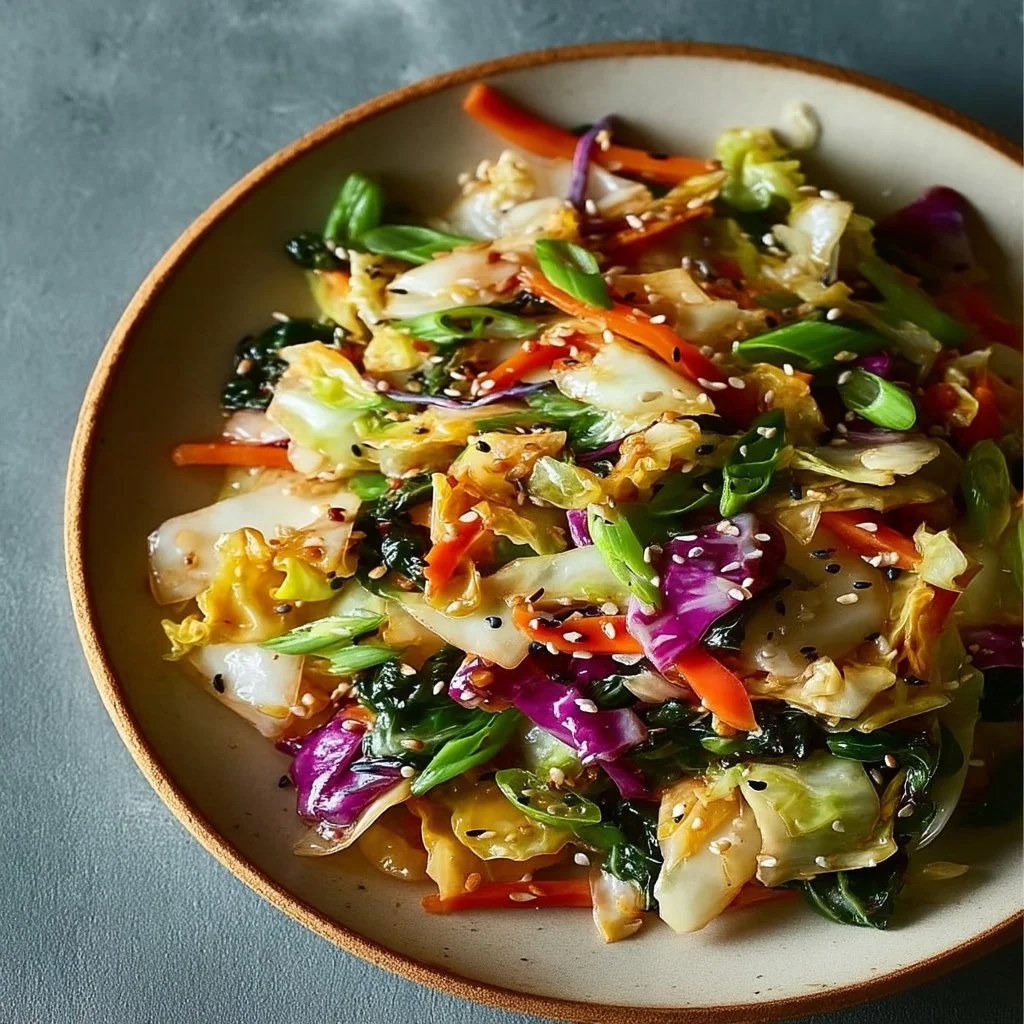
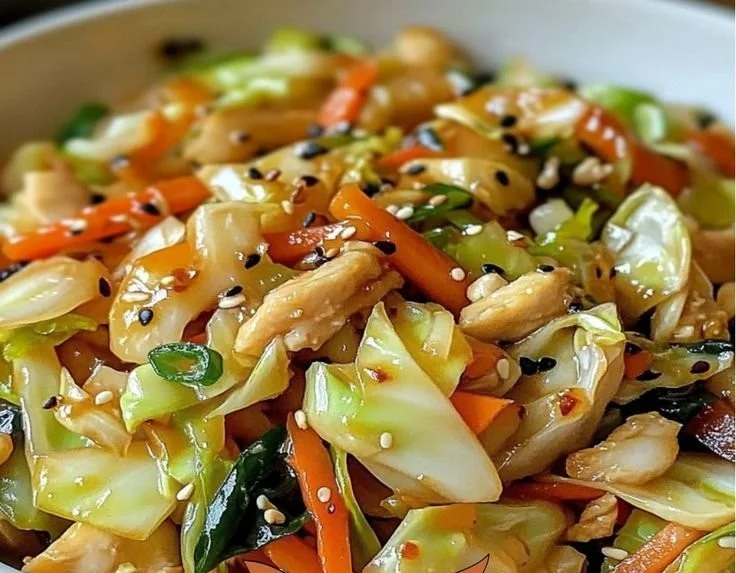
- Cook to tender-crisp. Keep the heat up and stir frequently until the cabbage is wilted with a little bite left. Look for a mix of textures: some softened ribbons, some lightly browned edges.
- Add the sauce and finish. Pour the sauce around the sides of the pan and toss well to coat. If cornstarch is included, cook just until the sauce turns glossy and clings to the cabbage instead of looking thin and watery.
- Taste and adjust. Finish with any seasoning the recipe calls for (pepper, red pepper flakes, etc.). Serve right away while the cabbage is still lively and slightly crisp.
Common Mistakes to Avoid
- Slicing cabbage too thick: Thick pieces stay raw in the middle while the outside overcooks. Fix: Slice into thin ribbons so it turns tender-crisp fast.
- Crowding the pan: Too much cabbage at once steams and releases water, dulling the flavor. Fix: Use a large skillet/wok or add cabbage in batches.
- Adding sauce too early: Sauce slows browning and can make the dish watery. Fix: Stir-fry the cabbage first; sauce goes in at the end.
- Overcooking the aromatics: Burnt garlic makes the whole stir-fry taste harsh. Fix: Add garlic briefly and keep it moving; if your pan runs hot, lower heat slightly.
- Not mixing the sauce thoroughly: Cornstarch (if used) can clump and leave streaks. Fix: Whisk until smooth right before pouring.
Variations and Swaps
Keep these within what your recipe already supports:
- Make it spicier: Add red pepper flakes (if included) or increase them slightly.
- Add a protein: If you routinely pair quick mains with meal-prep components (like the portability you get from packed snack bars for the day), this stir-fry also works with cooked chicken, shrimp, or tofu added at the end—just warm through so you don’t overcook the cabbage.
- Use what’s in the drawer: If the recipe includes carrot/onion, keep them; if it’s cabbage-only, don’t overload it with extra watery vegetables unless you’re ready to cook them off at higher heat.
- Serve it as a bowl: Spoon over rice or noodles if that fits your meal; keep the cabbage as the main volume for a lighter plate.
Serving Suggestions
- Serve hot as a simple main or side, piled into a bowl so the sauce stays evenly distributed.
- For a fuller meal, pair with rice or noodles and keep portions easy to scale—similar to how I portion grab-and-go bakes for quick snacks, this stir-fry is easy to divide into lunch containers.
- If you’re serving it alongside other dishes, keep it on the table right away—its best texture is right after cooking.
Storage and Meal Prep
Store leftovers in an airtight container in the fridge. Reheat in a skillet over medium heat to drive off any moisture and bring back a bit of edge—microwaving works, but the cabbage will soften more. For meal prep, portion it into containers once cooled slightly; the flavors deepen overnight, though the texture shifts from crisp-tender to more fully tender.
FAQs
Can I make this ahead?
Yes—cook it fully, cool, and refrigerate. Expect the cabbage to soften a bit by the next day; reheat in a hot pan to keep it from turning watery.
Why did my stir-fry turn out watery?
Usually the pan wasn’t hot enough or it was overcrowded. Cook in batches and keep the heat at medium-high so moisture evaporates quickly.
Can I double the recipe?
Yes, but plan to cook in two batches unless you have a very large wok. Doubling in one pan often steams the cabbage.
How do I know when the cabbage is done?
When it’s mostly wilted with a little crunch left, and the sauce looks glossy and lightly coats the strands instead of pooling in the bottom.
Final Tip
Have everything sliced and the sauce mixed before you turn on the heat—once the cabbage hits the pan, it moves fast, and that’s what keeps the final dish bright, glossy, and tender-crisp instead of soft and soupy.
Conclusion
If you want to compare a few similar takes and pick the style that matches your pantry, these versions are useful references: Healthy Low Carb Cabbage Stir Fry, Super Easy Stir-Fried Cabbage, and Thai-style stir-fried cabbage.
Cabbage Stir-Fry
Ingredients
Method
- Thinly slice the cabbage and any other vegetables to ensure quick and even cooking.
- In a small bowl, whisk together the soy sauce and any other sauce ingredients until smooth.
- Heat the oil in a large skillet or wok over medium-high heat until shimmering.
- Add the garlic (and ginger, if using) and stir briefly until fragrant.
- If using onion and carrot, add these first and stir-fry until they begin to soften.
- Add the cabbage in batches if necessary, tossing constantly until it collapses and becomes manageable.
- Continue to stir-fry until the cabbage is tender-crisp with some lightly browned edges.
- Pour the sauce around the sides of the pan and toss well to coat the cabbage.
- Cook until the sauce turns glossy and clings to the cabbage.
- Finish with any additional seasoning as desired and serve immediately.