
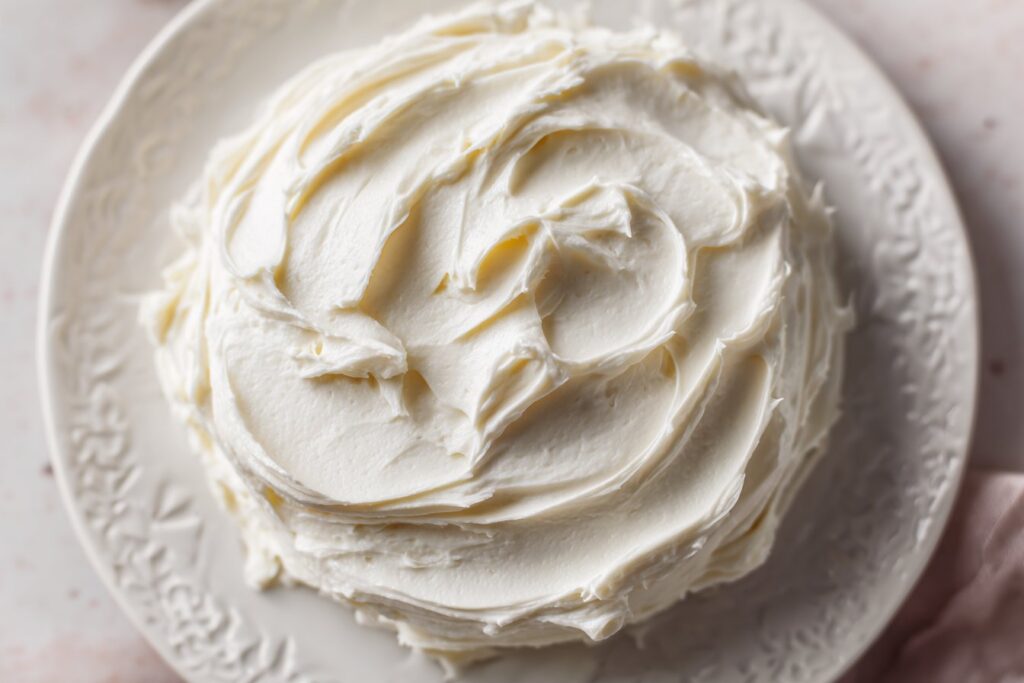
Why This Greek Yogurt Frosting Actually Sets and Spreads Well
This Greek Yogurt Frosting works because it starts with properly strained yogurt, which gives you a thick, creamy base that behaves more like a classic bakery-style frosting and less like a runny topping. Removing excess whey concentrates both the protein and the fat, so the frosting can hold soft peaks, spread smoothly over cupcakes, and pipe without collapsing. Using sugar free powdered sweetener (rather than granulated) keeps the texture ultra-smooth and helps the frosting firm up in the fridge, much like traditional buttercream. The vanilla bean paste adds a bakery-style flavor boost and subtle specks, which make even a simple store-bought cake look more “from scratch.”
This recipe also works because it builds in structure and flexibility, so you can adjust it for real-life kitchen variables. Yogurt brands vary in thickness, so I rely on visual and textural cues—if it’s too loose, you can add more sugar free powdered sugar or a bit of cream cheese for extra body and stability. If it’s thicker than you like for spreading, you loosen it gently with a teaspoon of milk at a time until you hit that sweet spot for swirling and piping. The required refrigeration is not just a safety step; the chill time helps the protein network tighten, so the frosting firms up beautifully on cakes and cupcakes.
On top of that, this Greek Yogurt Frosting gives you a lighter option without feeling “diet.” You still get a rich, tangy, bakery-style finish, but at around 75 calories per serving it fits easily into everyday desserts and snack-style treats. It pairs cleanly with everything from simple vanilla cupcakes to deeper flavors like spice cake or chocolate loaf, and it works as a quick topping for breakfast-style bakes like banana muffins. If it looks a bit soft right after mixing, don’t panic—give it a good chill and a quick stir, and it will set into a silky, spreadable frosting that feels surprisingly luxurious for how simple the ingredient list is.
How to Make It for Perfect Texture and Tang
To make bakery-style Greek Yogurt Frosting, start by getting the yogurt texture right. If your yogurt is not already very thick, strain it in the fridge for at least 8 hours, preferably overnight. Set a fine-mesh strainer over a bowl, line it with cheesecloth, a coffee filter, or a sturdy paper towel, then add the yogurt and cover it. You want it to look almost like soft cream cheese when it’s ready—if it still looks loose or glossy-wet, give it more time. This step matters more than any fancy technique; thick yogurt is what keeps your frosting pipeable and helps it sit neatly on cakes or cupcakes.
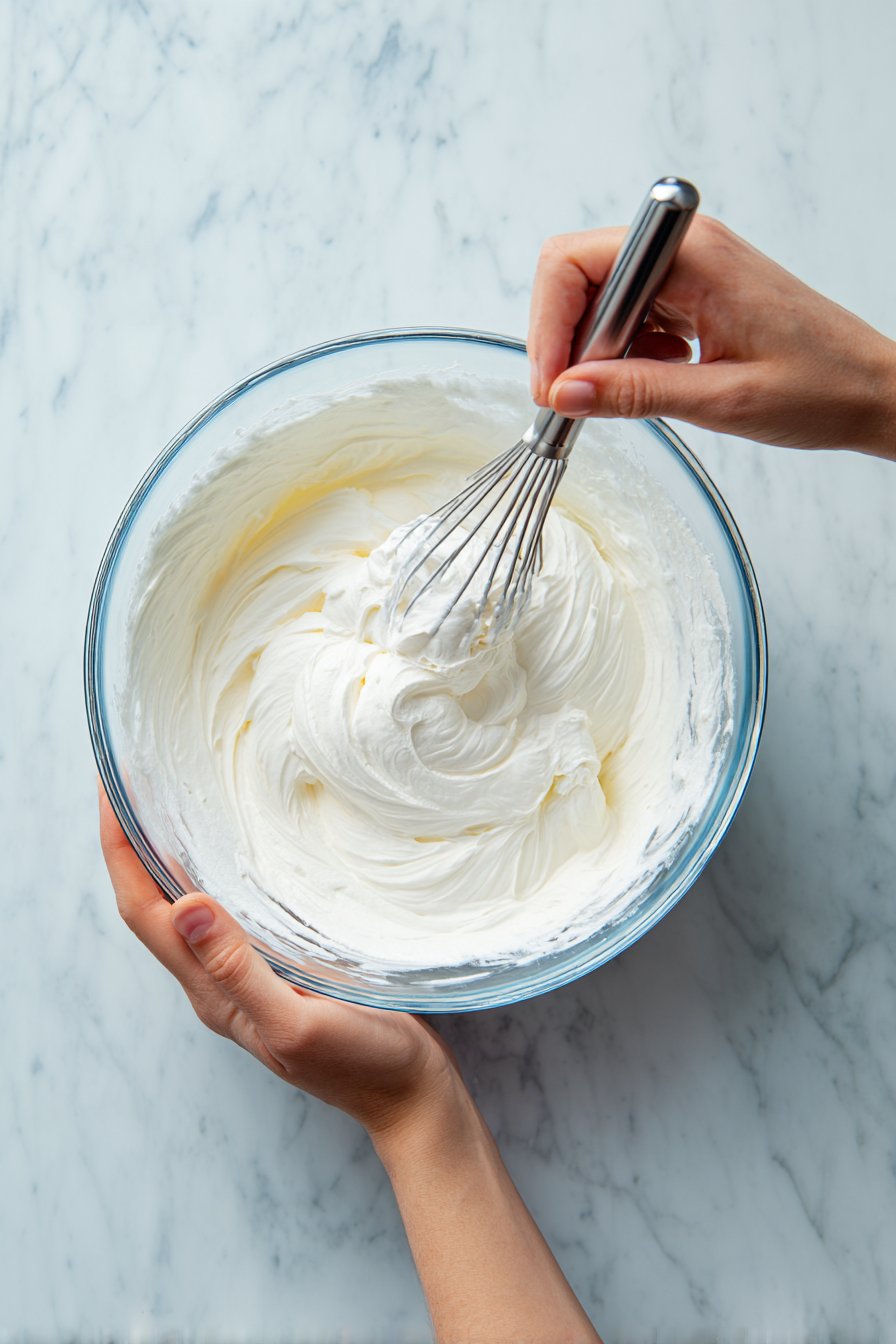
Instructions Process of Greek Yogurt Frosting
Once your yogurt is strained, transfer it to a clean mixing bowl and sift in the sugar-free powdered sugar to avoid lumps. Add the vanilla bean paste (or vanilla bean paste if that’s what you have), then beat with a hand mixer on medium speed until the frosting looks smooth and slightly fluffy, about 1–2 minutes. If the Greek Yogurt Frosting feels too thick or stiff to spread, pause and add just 1 teaspoon of milk at a time, beating briefly between additions until it loosens to your liking. If it ends up too thin, you can correct it by beating in more powdered sweetener a spoonful at a time, or adding a few tablespoons of cream cheese for extra structure and a richer flavor. Always chill the frosting for at least 30 minutes before piping or spreading; it will firm up noticeably in the fridge and hold its shape much better on layer cakes or cupcakes, whether you’re frosting classic vanilla cupcakes or something heartier like a carrot snack cake.Time, Prep, and Storage Plan for Greek Yogurt Frosting
You only need about 10 minutes of active prep to make this Greek Yogurt Frosting, but plan ahead for the strain time. The yogurt should drain in the fridge for at least 6–8 hours (overnight is ideal) so the frosting turns out thick, glossy, and pipeable. I like to set the yogurt in a strainer before bed, then quickly mix in the sugar free powdered sugar and vanilla bean paste the next day when I’m ready to frost a cake or a batch of cupcakes. Once mixed, the frosting itself comes together in 3–5 minutes with a hand mixer. If it looks a bit loose right after beating, chill it for 15–20 minutes and check the texture again before spreading.
Because this Greek Yogurt Frosting is dairy-based and lower in sugar, it’s more perishable than classic buttercream, so refrigeration is non-negotiable. Store the frosting in an airtight container in the fridge for up to 3 days before using, and always keep frosted cakes or cupcakes covered and chilled. For best texture, pull the frosting (or frosted dessert) out of the fridge about 15–20 minutes before serving so it softens slightly but still holds its shape. If you’re using this on items like a snack cake or Greek yogurt banana bread, the frosting may firm up a bit in the fridge; a quick stir or swipe with an offset spatula will bring back a smooth finish. I don’t recommend freezing this frosting, as the yogurt can separate and turn grainy when thawed.
Flexible Options and Serving Notes for Greek Yogurt Frosting
Greek Yogurt Frosting is easy to adapt to what you have and what you like. For a richer, more stable frosting (great for piping onto cupcakes), you can beat in 56–85 grams (2–3 ounces) of softened cream cheese or mascarpone. For a tangier profile, use a very thick, full-fat Greek yogurt; for a lighter, more delicate flavor, a 2 % yogurt works well, but make sure you strain it thoroughly so it still holds its shape. You can swap vanilla bean paste for vanilla bean paste, almond extract, or a mix of vanilla and lemon juice for a brighter finish. If you prefer a little natural sweetness, fold in a tablespoon of very fine, mashed berries (like raspberries) and reduce the powdered sweetener slightly to keep the Greek Yogurt Frosting from getting runny.
In terms of how to use it, think beyond just cakes. This frosting is excellent on banana bread, snack cakes, carrot cake cupcakes, and simple vanilla or chocolate loaf cakes. It also works as a “lightened-up” topping for fresh fruit, baked peaches, or mini yogurt parfaits when you want dessert to feel special but not heavy. Because this Greek Yogurt Frosting is dairy-based and lower in sugar than traditional buttercream, always refrigerate anything you frost and pull it out 20–30 minutes before serving so the texture softens and the flavors open up. On cupcakes or a 23-centimeter cake, spread it in a slightly thicker layer than classic buttercream for the best creamy bite. If you like to plan ahead, you can make the frosting up to a day in advance; just give it a quick whisk after chilling to smooth it out before you decorate.
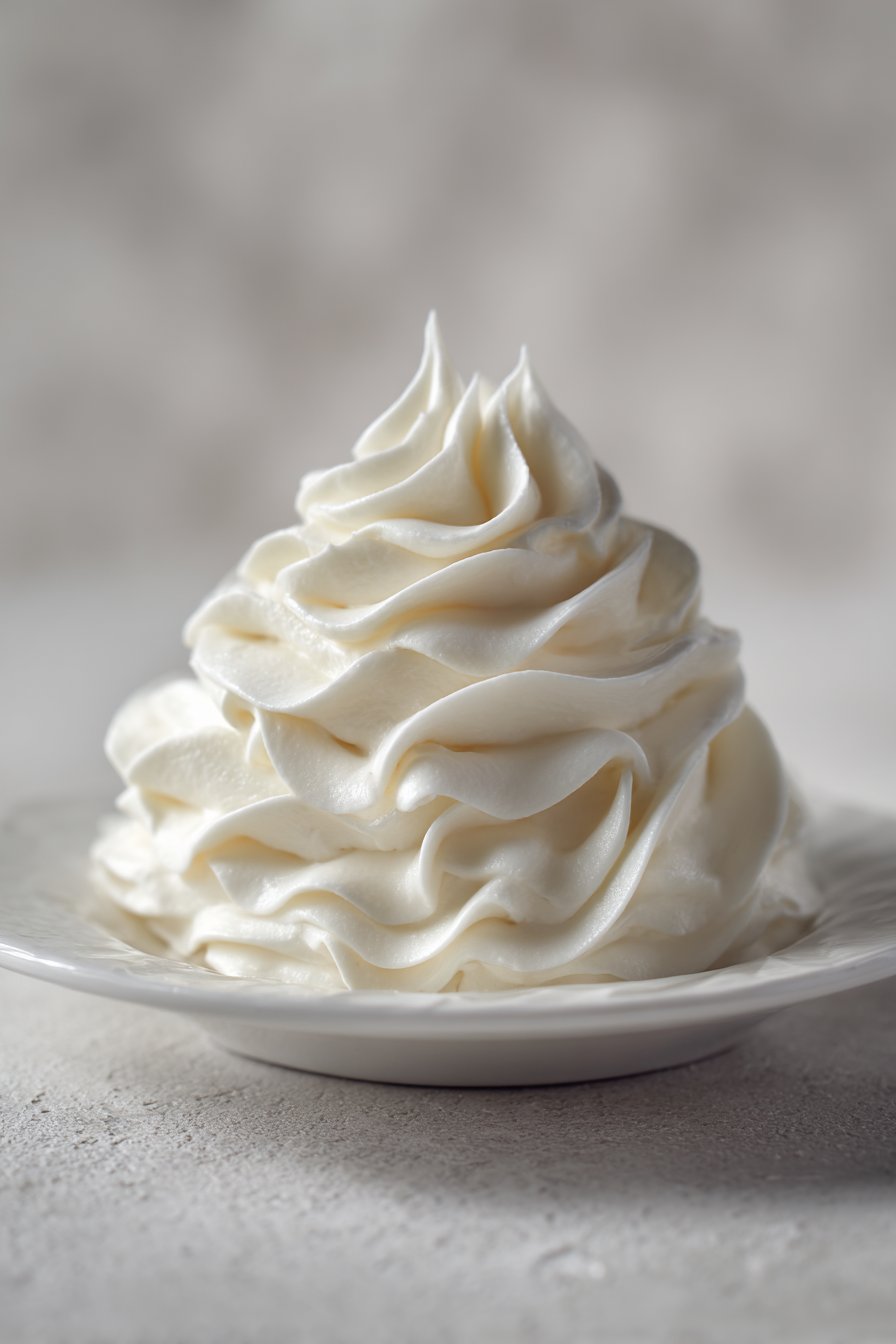
Serving of Greek Yogurt Frosting
Conclusion
I love how something as simple as a bowl, a whisk, and a few clean ingredients can turn into a frosting that feels genuinely special. Whether you’re spreading it over a quick weekday snack cake or swirling it high on a celebration dessert, this Greek Yogurt Frosting has a way of making everyday moments feel a little more like a gathering. It’s light, creamy, and not overly sweet, so people tend to go back for “just one more bite” while they keep talking around the table.
If you’ve been on the fence about making your own frosting, consider this your sign to try it. You don’t need fancy tools or pastry skills—just a few minutes and a willingness to taste as you go. Invite a friend, bake with your kids, or bring a batch to share at work. You might be surprised how quickly this simple topping turns into a small tradition.
For more delicious recipes like this, follow us on social media!
What is Greek Yogurt Frosting and how does it taste?
Greek Yogurt Frosting is a lighter, higher-protein alternative to traditional buttercream, made mainly from strained Greek yogurt, sugar-free powdered sweetener, and vanilla. It has a creamy, spoonable texture with a pleasant tang rather than heavy richness. Because it uses yogurt instead of butter, it feels fresher and less sweet while still tasting like real frosting. The flavor works especially well with vanilla, lemon, berry, and chocolate desserts. If you enjoy cream cheese frosting, you will probably like this too, just with a slightly brighter, more yogurt-forward taste.
How do I get the thick, bakery-style consistency with Greek Yogurt Frosting?
The key is **well-strained** yogurt; it should look almost like soft cream cheese before you start mixing. If your yogurt is on the loose side, strain it overnight in the fridge using cheesecloth, a coffee filter, or a sturdy paper towel set over a bowl. Once mixed, if the frosting is still too thin, add more sugar-free powdered sweetener or a few spoonfuls of cream cheese to give it more structure. If it turns out too thick, loosen it with milk 1 teaspoon at a time, mixing well between additions. Chill the frosting for 20 to 30 minutes if it looks slightly soft; it will firm up in the refrigerator.
Can I make Greek Yogurt Frosting ahead and how should I store it?
You can make Greek Yogurt Frosting up to 2 days in advance and keep it in an airtight container in the refrigerator. Give it a quick whisk before using to smooth out any separation. Once you frost cakes or cupcakes, store them covered in the fridge and enjoy within 2 to 3 days for the best texture. Because this frosting is dairy-based and not heavily stabilized, do not leave it at room temperature for more than 2 hours. If you need to hold it longer for a party, keep the dessert chilled and take it out just before serving.
Recipe
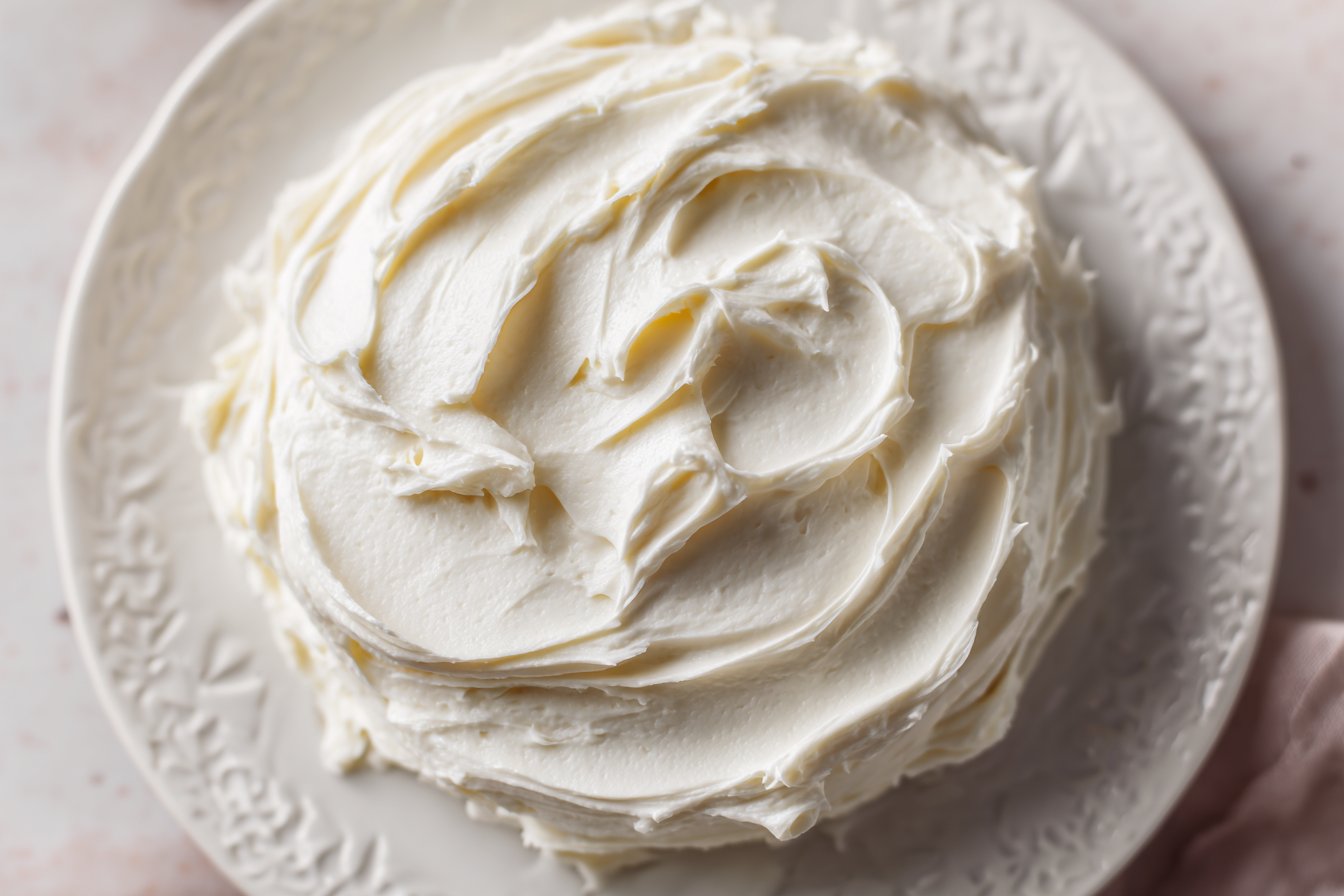
Greek Yogurt Frosting
Ingredients
Method
- Set a fine-mesh strainer over a bowl and line it with cheesecloth, a coffee filter, or a sturdy paper towel.
- Add the Greek yogurt to the lined strainer, cover, and refrigerate for 6–8 hours or overnight until very thick, similar to soft cream cheese.
- Transfer the strained yogurt to a clean mixing bowl and discard the drained liquid.
- Sift the sugar-free powdered sweetener over the yogurt to remove any lumps.
- Add the vanilla bean paste to the bowl.
- Beat the mixture with a hand mixer on medium speed for 1–2 minutes until smooth and slightly fluffy.
- If using, beat in the cream cheese until fully incorporated and the frosting is thick and smooth.
- If the frosting is too thick to spread, add milk 1 teaspoon at a time, beating briefly after each addition, just until it reaches your desired consistency.
- If the frosting is too thin, beat in additional sugar-free powdered sweetener 1 tablespoon at a time, or a little more cream cheese, until thick and spreadable.
- Cover the bowl and refrigerate the frosting for at least 30 minutes to allow it to firm up before using.
- Spread or pipe the chilled frosting onto cooled cakes, cupcakes, or muffins.
- Refrigerate any frosted desserts and leftover frosting in a covered container until ready to serve.
Notes
- Properly strained yogurt is the key to thick, bakery-style Greek yogurt frosting that doesn’t run.
- If the frosting looks loose after mixing, chill it first before adding more thickener; it will firm up in the fridge.
- Cream cheese adds extra structure and a richer flavor if you want a stiffer frosting for piping.
- Always refrigerate this frosting and any dessert topped with it, as it is dairy-based.