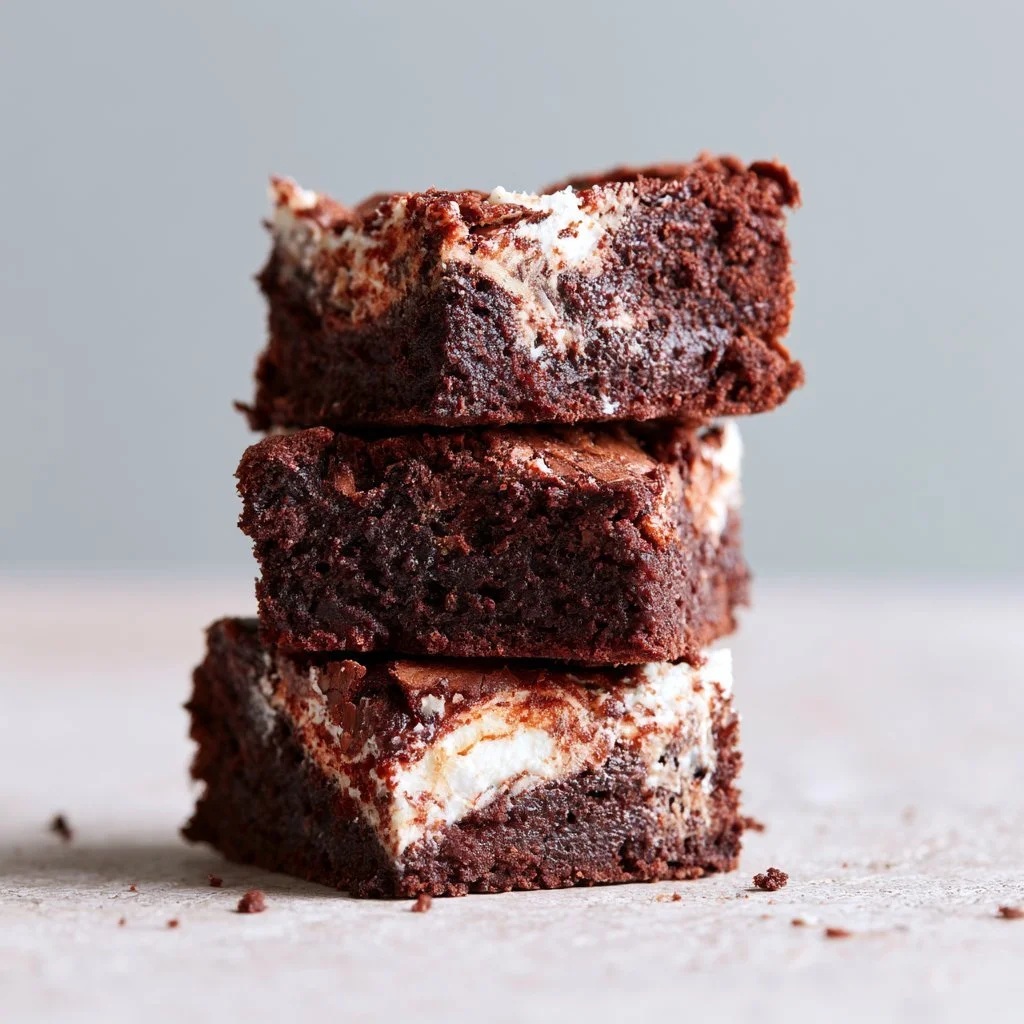

These cookies are useful when you want a quick, protein-forward snack that doesn’t demand a lot of equipment or time. They come together in one mixing bowl for the wet ingredients and a second for the dry, and they bake in about 10–12 minutes — good for making while dinner is in the oven or for a simple weekday bake-ahead.
The payoff is a slightly tender, oat-forward cookie with a mild tang from Greek yogurt and natural sweetness from honey. They hold mix-ins (chocolate chips or nuts) well, keep cleanup minimal, and fit into a lunchbox or post-workout snack rotation. If you like working with Greek yogurt in both baked goods and frostings, see my take on gluten-free Greek yogurt cookie dough for a related approach.
Why This Recipe Works
- Greek yogurt provides moisture and a gentle tang without butter — it keeps the cookies tender rather than greasy.
- Rolled oats give chew and structure so the cookies aren’t cakey; the almond flour adds a soft, slightly nutty crumb.
- Baking soda and a small amount of salt balance the sweetness of the honey and lift the texture without fuss.
- Spoon-sized dough and a short bake time make timing predictable — they’re ready when the edges turn golden.
- The dough tolerates add-ins (chocolate chips or nuts) and stores well for make-ahead snacks.
- Cleanup is minimal: one bowl for wet, one for dry, and a single lined sheet pan.
Quick Kitchen Note
I rely on straightforward, pantry-driven recipes like this when I want predictable results with minimal babysitting — it’s forgiving, scales up easily, and you can swap mix-ins without changing technique. For a denser cookie base, I sometimes use the method in my zero-sugar Greek yogurt brownies for inspiration on texture balance.
What It Tastes Like
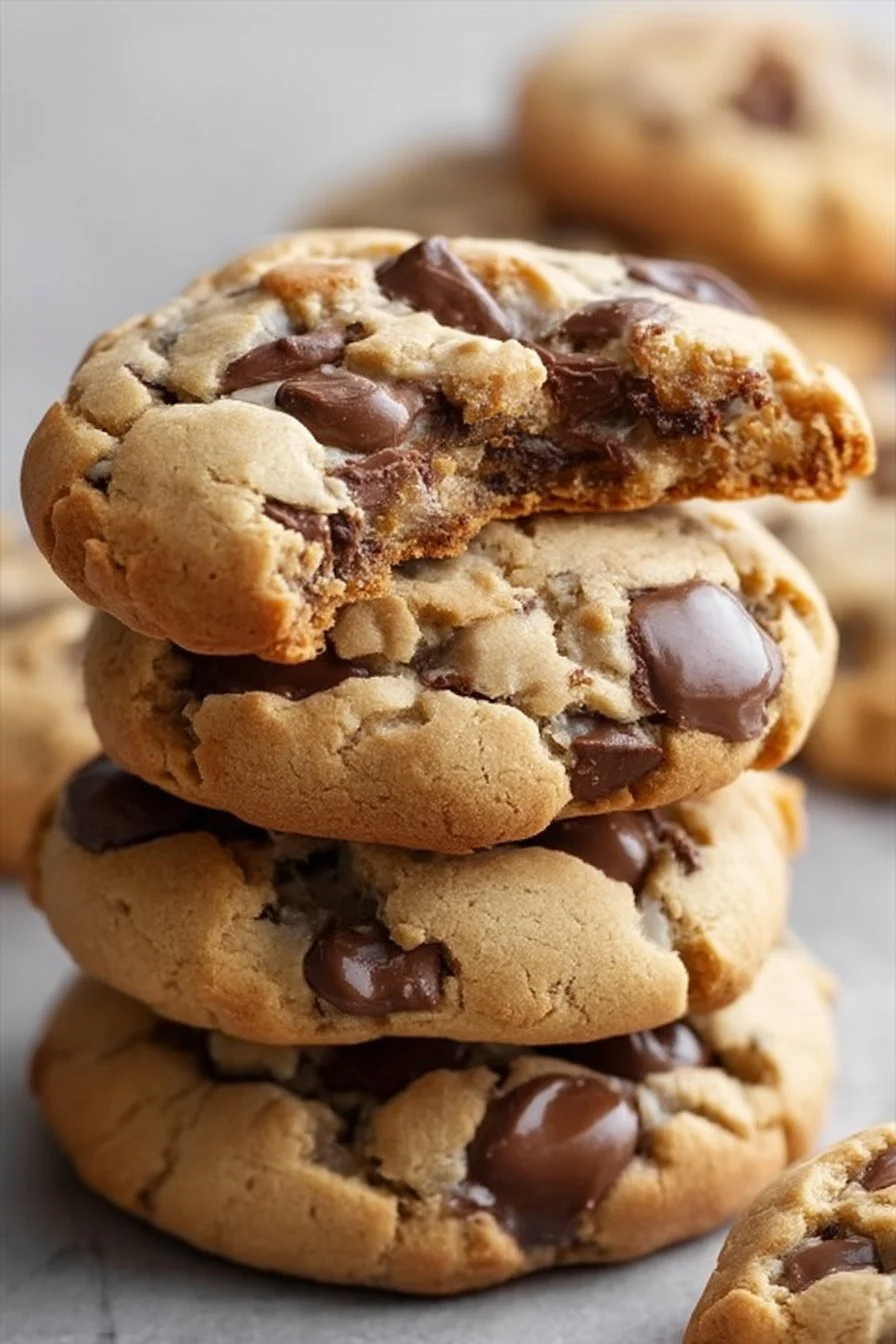
These cookies taste mildly sweet and tangy, with oat chew and a tender center. The almond flour provides a soft, nutty background note and the honey keeps them pleasantly sticky rather than dry. If you add chocolate chips, they give bursts of richness; with nuts, you get extra crunch and a savory contrast. The aroma is subtle — warm oats and honey — and the finish is clean, not overly sweet.
Ingredients
The recipe relies on three building blocks: Greek yogurt for moisture and protein, oats for texture, and almond flour for structure. Honey sweetens and keeps the crumb soft; baking soda gives a light rise, and vanilla plus salt round the flavor. If you want to turn these into an iced cookie later, my Greek yogurt frosting pairs well and follows the same flavor family.
- 1 cup Greek yogurt
- 1 cup oats
- 1/4 cup honey
- 1/2 cup almond flour
- 1/2 teaspoon baking soda
- 1/2 teaspoon vanilla extract
- 1/4 teaspoon salt
- Optional: chocolate chips or nuts
Step-by-Step Instructions
- Preheat and line: Preheat the oven to 350°F (175°C). Line a baking sheet with parchment paper so the cookies don’t stick and cleanup stays easy.
- Mix wet ingredients: In a large bowl, whisk together 1 cup Greek yogurt, 1/4 cup honey, and 1/2 teaspoon vanilla extract until uniform and slightly glossy. The mixture should be smooth and pourable but not watery.
- Combine dry ingredients: In a separate bowl, stir 1 cup oats, 1/2 cup almond flour, 1/2 teaspoon baking soda, and 1/4 teaspoon salt until evenly distributed — no clumps of almond flour.
- Bring batter together: Gradually add the dry ingredients to the wet mixture, folding until just combined. The dough will be thick and scoopable; the oats will hydrate slightly but you should still be able to drop spoonfuls without them spreading into a pancake.
- Add mix-ins: Fold in up to 1/2 cup chocolate chips or chopped nuts if using. Spread them evenly but don’t overwork the dough.
- Portion the cookies: Drop tablespoon-sized amounts of dough (about 1 rounded tablespoon) onto the prepared sheet, leaving 1–1½ inches between cookies. Slightly flatten any very rounded tops so they bake evenly.
- Bake and watch for doneness: Bake for 10–12 minutes. The cookies are done when the edges are lightly golden and the centers look set but not dry — they will firm up as they cool. If you prefer crisper edges, bake the upper end of the time range.
- Cool before enjoying: Let the cookies cool on the baking sheet for 5 minutes, then transfer to a wire rack to finish cooling. They’ll firm up as they reach room temperature.
Common Mistakes to Avoid
- Overmixing the dough: It makes the cookies dense; fold until just combined to keep them tender.
- Using too-large scoops: Tablespoon-sized scoops bake more evenly; larger mounds may stay underdone in the center.
- Skipping parchment: These cookies stick easily without a lined sheet and can break when you try to remove them.
- Baking too long: If the centers are dry or crumbly, the oven time was excessive — aim for just-set centers and golden edges.
Variations and Swaps
- Chocolate chips: Use dark or semisweet for richer flavor. Add up to 1/2 cup.
- Nuts: Chopped walnuts or almonds add crunch; toast them first for more depth.
- Oat texture: Rolled oats give chew; if you only have quick oats, expect a softer, slightly cake-like cookie.
- No-sugar option: Swap honey for a monk-fruit syrup or other liquid sweetener 1:1, but expect a modest change in texture.
You can read a slightly different Greek-yogurt-baked approach in my zero-sugar brownie notes if you want more ideas for reducing sweetness.
Serving Suggestions
Serve warm with a cup of tea for a quick treat, pack cooled cookies in a lunchbox, or top a split cookie with a small dollop of Greek yogurt and berries for a light breakfast-style option.
Storage and Meal Prep
Store cooled cookies in an airtight container at room temperature for up to 3 days. For longer keeping, refrigerate for up to 7 days. They freeze well — flash-freeze spaced on a sheet, then transfer to a freezer bag for up to 2 months; thaw at room temperature. If reheating, a quick 10–15 second microwave zap on a plate restores softness.

FAQs
Q: Can I make the dough ahead?
A: Yes — the dough can be refrigerated for up to 24 hours before baking. Let it sit at room temperature 10 minutes before scooping if it firms up.
Q: Will these work with non-dairy yogurt?
A: Non-dairy yogurts vary in thickness; use a thick variety and expect a slightly different, less tangy flavor and a softer texture.
Q: Why are my cookies cakey?
A: Cakey texture usually means the oats absorbed too much moisture or the dough was overmixed. Use rolled oats and fold gently.
Q: Can I omit the honey?
A: You can, but the cookies will be less sweet and may be drier; replace with a liquid sweetener to maintain moisture.
Final Tip
Measure the almond flour by spooning it into the cup rather than scooping — it’s less likely to compress and makes for a more consistent, tender cookie.
Conclusion
If you want a variation with peanut butter and a richer chocolate hit, try Peanut Butter Chocolate Chip Yogurt Cookies for a related technique. For ideas on portion-controlled single-serve bakes, see this Single-Serve Giant Protein Cookie adaptation. For another take on protein-forward yogurt cookies, check Protein Cookies with Greek Yogurt {85 Calories} to compare mix-ins and sizing.

Greek Yogurt Oat Cookies
Ingredients
Method
- Preheat the oven to 350°F (175°C) and line a baking sheet with parchment paper.
- In a large bowl, whisk together Greek yogurt, honey, and vanilla extract until smooth and slightly glossy.
- In another bowl, combine oats, almond flour, baking soda, and salt until evenly mixed.
- Gradually add the dry ingredients to the wet mixture, folding until just combined.
- Fold in chocolate chips or nuts if desired.
- Drop tablespoon-sized amounts of dough onto the prepared sheet, leaving space between cookies.
- Bake for 10–12 minutes until the edges are golden and centers are set.
- Allow cookies to cool on the baking sheet for 5 minutes, then transfer to a wire rack.