Some days you just need a reliable, sliceable loaf without dragging out a long ingredient list or dealing with a sink full of bowls. This zero carb yogurt bread is what I make when I want something warm and savory in the house—fast—using ingredients I usually already have.
It bakes up tender with a lightly crisp edge, tastes gently tangy from the yogurt, and works in real-life ways: toast it, turn it into a quick sandwich, or serve it alongside eggs. If you’ve made my everyday zero carb yogurt bread before, this is the same practical idea—just written out with the details that make it consistent.
Why This Recipe Works
- Yogurt + eggs create structure without yeast. The loaf holds together and slices cleanly once it cools, thanks to the protein set from the eggs.
- Almond flour keeps it tender, not dry. You get a soft crumb with a light, slightly nutty flavor that doesn’t taste “diet bread.”
- Baking powder gives quick lift. No proofing, no rising time—just mix and bake for a loaf that actually has some height.
- Salt is doing real work here. It sharpens the tang of the yogurt and keeps the bread from tasting flat (especially important with almond flour).
- Optional herbs make it feel savory and intentional. Rosemary or thyme gives a bakery-style vibe without adding extra steps.
- Minimal cleanup. One bowl, one loaf pan, and you’re done—exactly the kind of baking that fits a weeknight.
Quick Kitchen Note
I rely on this style of quick bread when I want something that feels like “real food” on the counter—something I can slice for a couple days—without committing to a full baking project like I would for a bakery-style loaf.
What It Tastes Like
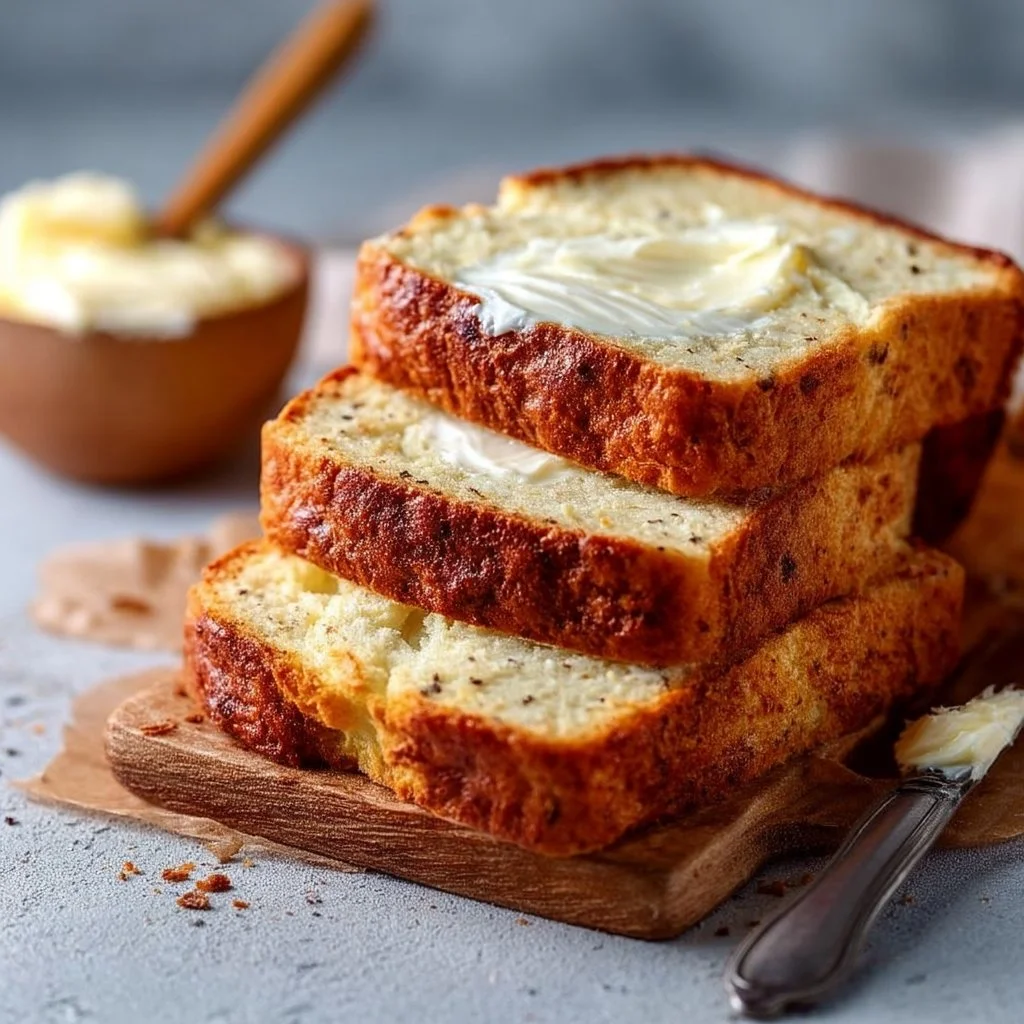
This bread is savory and mild with a gentle yogurt tang and a clean finish. The crumb is tender and moist (not gummy if you let it cool), with a lightly browned, slightly crisp outer edge. If you add rosemary or thyme, you’ll get a warm, herby aroma that makes it feel especially good with eggs or a simple soup.
Ingredients
This recipe is built on a simple, high-structure batter: Greek yogurt adds tang and moisture, eggs bind and set the loaf, almond flour keeps the crumb soft, and baking powder provides lift. If you need a nut-free version, sunflower seed flour is the most direct swap; it behaves similarly in quick breads.
- 1 cup Greek yogurt (Or dairy-free yogurt like almond or coconut-based)
- 3 large eggs (For binding and color)
- 2 cups almond flour (Can substitute with sunflower seed flour for nut-free)
- 2 teaspoons baking powder (For leavening)
- 1 teaspoon salt (Sea salt works beautifully)
- to taste herbs (like rosemary or thyme) (Optional, for added flavor)
Step-by-Step Instructions
- Prep for baking. Get your baking setup ready first (this batter moves quickly once mixed). Use a loaf pan and have it ready for the batter so you’re not letting the baking powder sit too long.
- Mix the wet ingredients. In a mixing bowl, combine the Greek yogurt and eggs. Stir until the mixture looks smooth and uniform—no obvious streaks of egg white.
- Add the dry ingredients. Add the almond flour, baking powder, and salt. Mix until fully combined. The batter should look thick and spoonable—more like a dense muffin batter than a pourable cake batter.
- Add herbs (optional). If using rosemary or thyme, stir in a small amount, then smell the batter. Add more only if you want the herbs to be a main note; they can take over quickly in a small loaf.
- Bake. Scrape the batter into your loaf pan and smooth the top. Bake until the loaf is set through the center and looks nicely browned on top. The top should feel firm when lightly pressed, and the loaf shouldn’t wobble in the middle.
- Cool before slicing. Let the bread cool in the pan until it’s comfortable to handle, then remove and cool further before slicing. This is where the structure finishes setting—slice too early and the center can compress or feel a little gummy.
Common Mistakes to Avoid
- Overmixing the batter: Almond flour batters don’t need aggressive stirring; overmixing can make the crumb dense. Fix: Mix just until no dry patches remain.
- Under-salting: This bread is simple, so salt is key for flavor. Fix: Use the full teaspoon, especially if skipping herbs.
- Slicing while hot: The loaf continues to set as it cools; cutting early can make the inside seem wet. Fix: Cool until the loaf feels firm and no longer steamy.
- Using too much baking powder “for extra rise”: It can leave a bitter, chemical note. Fix: Stick to 2 teaspoons.
- Expecting a crusty artisan loaf: This is a quick bread—tender and sliceable, not chewy. Fix: If you want more texture, toast slices after baking.
Variations and Swaps
- Dairy-free: Use almond- or coconut-based yogurt in the same amount. Aim for a thick, Greek-style consistency so the batter stays spoonable.
- Nut-free: Swap almond flour for sunflower seed flour cup-for-cup. (Note: sunflower seed flour can deepen in color as it bakes; that’s normal.)
- Herb direction: Rosemary gives a piney, savory edge; thyme is softer and more subtle. Add “to taste,” starting small so you don’t overpower the yogurt tang.
If you’re also baking with yogurt this week, my Greek yogurt blueberry muffins use a similar idea—quick, dependable, and easy to portion.
Serving Suggestions
- Toast and top: Slice and toast for the best texture—crisp edges and a tender center. Great alongside eggs for an easy breakfast plate.
- Simple sandwich bread: Use for a quick turkey-and-greens style lunch or an open-faced sandwich; it holds up best when fully cooled first.
- Soup side: Serve thick slices with a brothy soup or a blended vegetable soup where you want something savory to dip.
For another Greek-yogurt baking project that fits meal prep, I often pair this with a pan of easy zero-sugar brownies with Greek yogurt for a sweet option in the fridge.
Storage and Meal Prep
- Fridge: Store the cooled loaf in an airtight container in the refrigerator so it stays firm and sliceable.
- Slicing tip: If you plan to use it over a few days, slice once fully cooled, then store slices stacked (with a small piece of parchment between if they stick).
- Reheating: Toasting is the best “reheat” here—it refreshes the outside and improves the crumb texture.
- Meal prep value: This is a good bake-once, use-all-week loaf: toast for breakfast, sandwich for lunch, or a side with dinner.

FAQs
Can I make this without herbs?
Yes. The base loaf is mild and savory; herbs just push it in a more aromatic direction.
Can I use dairy-free yogurt?
Yes—use almond- or coconut-based yogurt in the same amount. Choose a thicker style so the batter stays thick, not runny.
Why is my bread a little gummy in the center?
Most often it’s sliced too soon. Let it cool longer so the eggs fully set the crumb before cutting.
Can I use sunflower seed flour instead of almond flour?
Yes, it’s the most straightforward nut-free swap here. The loaf may bake up a bit darker, but the texture will be similar.
Final Tip
Treat this like a slice-and-toast bread: bake it, cool it fully, then toast what you need. That one habit makes the texture more consistent and keeps the loaf useful for quick meals.
Conclusion
If you want a few more ideas in this same low-lift, yogurt-based bread lane, these recipes are worth comparing for technique and texture: Quick Greek Yogurt Almond Flour Bread, Low Carb Cloud Bread with Greek Yogurt, and Low Carb Keto Bread Recipe.

Zero Carb Yogurt Bread
Ingredients
Method
- Get your baking setup ready first. Use a loaf pan and have it ready for the batter.
- In a mixing bowl, combine the Greek yogurt and eggs. Stir until the mixture looks smooth and uniform.
- Add the almond flour, baking powder, and salt. Mix until fully combined. The batter should look thick and spoonable.
- If using herbs, stir in a small amount, then smell the batter. Add more only if desired.
- Scrape the batter into your loaf pan and smooth the top.
- Bake until the loaf is set through the center and looks nicely browned on top.
- Let the bread cool in the pan until it’s comfortable to handle, then remove and cool further before slicing.