Why This Recipe Works
This Diabetes Meal Plans & recipes\-for-better-blood-sugar-recipe/” target=”_blank” rel=”nofollow noopener”>Blood Sugar Tips recipe keeps your plate satisfying while still being smart about carbs, protein, and fat. I build the meal around lean protein and high fiber vegetables, with just enough slow digesting carbohydrates to keep energy steady. That combination helps your body absorb sugar more gradually, which can support more stable readings before and after you eat. Each serving stays around 300 calories, so you can pair it easily with a simple side or a light dessert from your weekly plan without feeling like you need to recalculate your whole day. If you already use a structured plan like a Mediterranean style rotation or a basic diabetes meal plan, this recipe drops right into your routine.
The cooking method shows how Diabetes Meal Plans & Blood Sugar Tips can translate into real weeknight food instead of theory. Quick sautéing and roasting let ingredients keep their texture and natural flavor with minimal added fat. I keep seasonings bold but clean, so you get plenty of taste without heavy breading or sugary sauces. The timing is intentional too, since a 35 minute total recipe is realistic for busy evenings, which makes you more likely to cook at home instead of turning to less predictable takeout. If you want more structure, you can pair this main with a simple roasted vegetable tray or a batch of cooked whole grains made on Sunday and portioned out for the week.
Most importantly, this recipe teaches you how to think about Diabetes Meal Plans & Blood Sugar Tips beyond just this single meal. The portions follow a clear visual guide, with half the plate non starchy vegetables, one quarter lean protein, and one quarter smart carbs, which you can copy in other recipes like sheet pan chicken or turkey chili. You will see how ingredients like beans, quinoa, and leafy greens work together to keep you fuller longer and help avoid sharp spikes and crashes. That practical, repeatable structure turns one manageable dinner into a template you can use across your meal planning for the week.

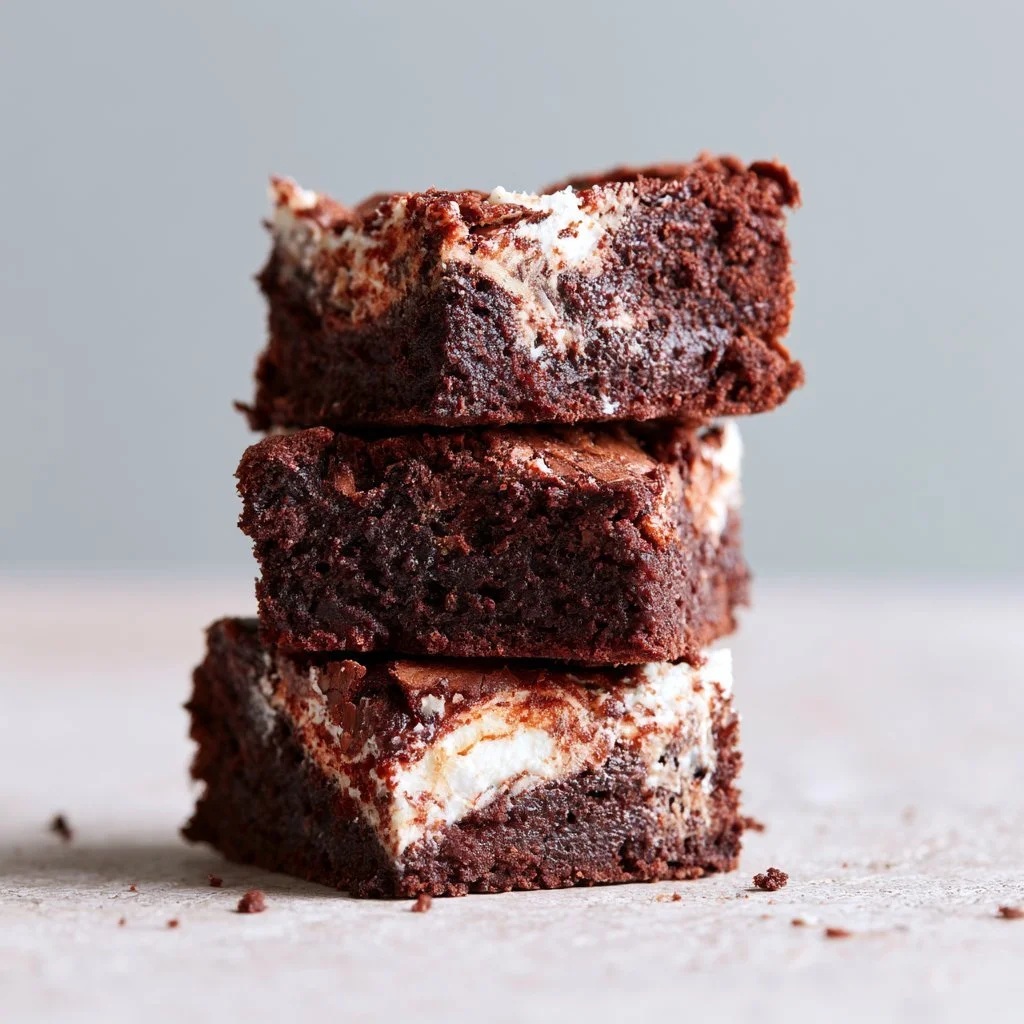
Serving Image of Diabetes Meal Plans & Blood Sugar Tips
How to Make It
Start by building your plate instead of chasing perfection. For this Bakery Style Diabetes Meal Plans & Blood Sugar Tips recipe, aim for half nonstarchy vegetables, one quarter lean protein, and one quarter high fiber carbs. In practice, that might look like roasted broccoli and peppers, grilled chicken, and a small scoop of quinoa or a whole grain roll. Measure your carbs with a cup measure the first few times, so you see what 15 to 30 grams of carbs actually looks like on your plate. Season generously with herbs, citrus, garlic, and pepper, and keep added sugar low, for example choosing plain yogurt instead of sweetened or using a light brushing of olive oil instead of sweet glazes.

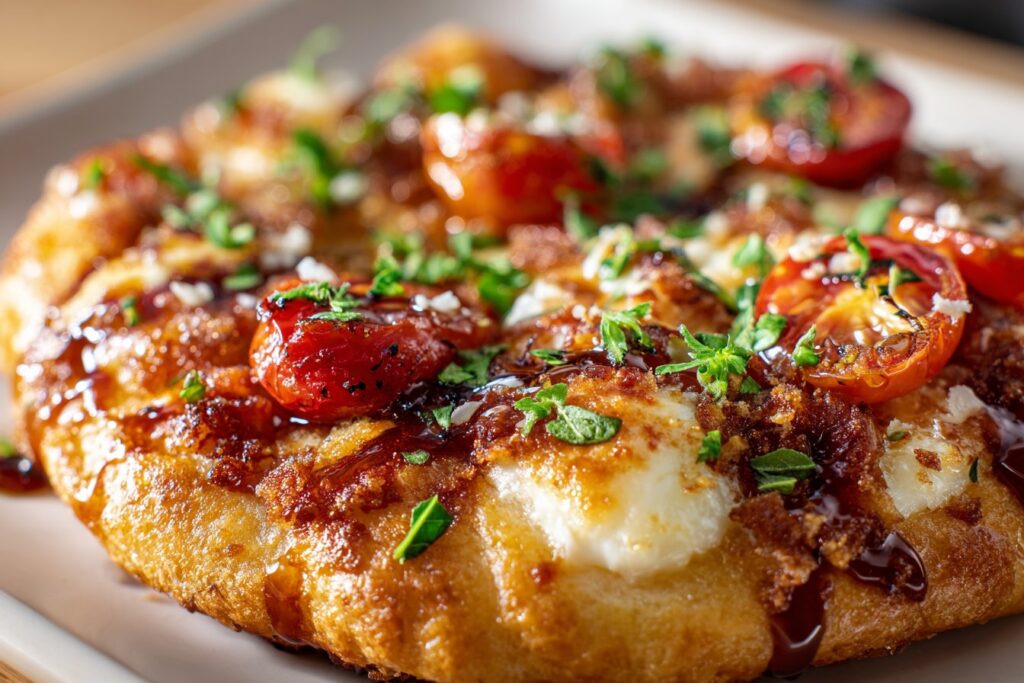
Process Image of Diabetes Meal Plans & Blood Sugar Tips
Next, layer in smart timing and gentle structure to support steady blood sugar. Try to space meals and snacks every 3 to 4 hours, and pair carbs with protein or fat whenever you can. For instance, if you plan a bakery style breakfast, you might choose half a whole grain English muffin with scrambled eggs and avocado instead of a large pastry alone. At dinner, let your nonstarchy vegetables and protein take the lead, and let bakery inspired items, like a whole grain dinner roll, play a smaller but satisfying role. If you are planning ahead for the week, use a simple rotation of 2 breakfasts, 2 lunches, and 2 dinners from your Diabetes Meal Plans & Blood Sugar Tips so you do not feel like you are starting from scratch every day, and adjust portions while checking how your numbers respond after meals.
Time, Prep, and Storage Plan
This recipe comes together fast, which makes it easier to stay consistent with your Diabetes Meal Plans & Blood Sugar Tips. Plan for about 15 minutes of prep to chop vegetables, measure ingredients, and portion any protein, then about 20 minutes of cook time. If you like to meal prep, double the recipe on a quiet night and use a sheet pan or large skillet to cook everything in one layer, so it browns instead of steaming. While the meal cooks, you can portion snack options for the next day, such as nuts or cut vegetables, to keep your blood sugar plan on track. I like to keep a written note on the fridge with carb counts per serving so you do not have to recalculate every night.
For storage, divide the finished recipe into 4 equal containers so each serving stays close to the 300 calorie guide, then cool completely before sealing. Store in the refrigerator for up to 3 days, and reheat gently in a skillet with a splash of water, or in the microwave at medium power so the protein stays tender. If your Diabetes Meal Plans & Blood Sugar Tips include stricter carb control, label containers with both calories and carb grams per portion, and place them at eye level so they are the first thing you see. You can usually freeze this style of main dish for up to 2 months, just leave room in the container for expansion and thaw in the fridge overnight before reheating. If you already enjoy recipes like a simple baked chicken dinner or roasted vegetable bowls, you can rotate this one into the same prep rhythm, so weekly planning feels easy and repeatable.
Flexible Options and Serving Notes

Ingredients Image of Diabetes Meal Plans & Blood Sugar Tips
You can treat these Diabetes Meal Plans & Blood Sugar Tips as a framework, not a strict rulebook. If you prefer plant based meals, swap chicken or turkey for firm tofu, tempeh, or a lentil patty, and keep the plate balance the same: half nonstarchy vegetables, one quarter lean protein, one quarter higher fiber carbs. For dairy, use Greek yogurt or cottage cheese, or a soy based option with at least 10 grams of protein and no added sugar. If you bake your own bread or muffins, reach for whole grain flour, add ground flax or chia, and keep portions modest, usually one small serving alongside plenty of vegetables or a salad. When you crave something sweet at the bakery, pair a small item with a protein rich choice, such as eggs or a cheese stick, to help slow the rise in blood sugar.
You can also adjust these Diabetes Meal Plans & Blood Sugar Tips around your daily schedule and hunger levels. Heavier activity days may call for an extra quarter cup of cooked whole grains or beans, while quieter work days may feel better with an extra serving of nonstarchy vegetables instead. If you enjoy warm, bakery style comfort foods, try a savory vegetable frittata, a whole grain breakfast casserole, or a single slice of veggie pizza on thin crust, and round out the plate with a fresh side salad. For quick lunches, build a box with roasted vegetables, a scoop of quinoa or farro, grilled chicken or tofu, and a creamy but light yogurt dressing, then finish with a handful of berries for a bright, steady finish. If a meal looks a bit carb heavy once you plate it, add more vegetables or extra protein on the side, and you will stay closer to your goals without feeling restricted.
Conclusion
Baking with intention can fit beautifully into a balanced life with diabetes, and this recipe is a good reminder of that. You still get the cozy, bakery style experience at home, just with a little more strategy and a lot more awareness. When something smells this good in the oven, it has a way of pulling everyone into the kitchen for a shared moment, not just a quick snack.
I created this to show that you can enjoy real treats and still feel in control. Small choices, like mindful portions and smart pairings, add up quietly in your favor. This is where Diabetes Meal Plans & Blood Sugar Tips move from theory into something you can actually taste, share, and feel good about.
I hope you print this, tweak it to your taste, and make it part of your own rhythm at home. When you try it, notice how it fits into your day and how your body responds, then adjust with confidence.
For more delicious recipes like this, follow us on Pinterest!
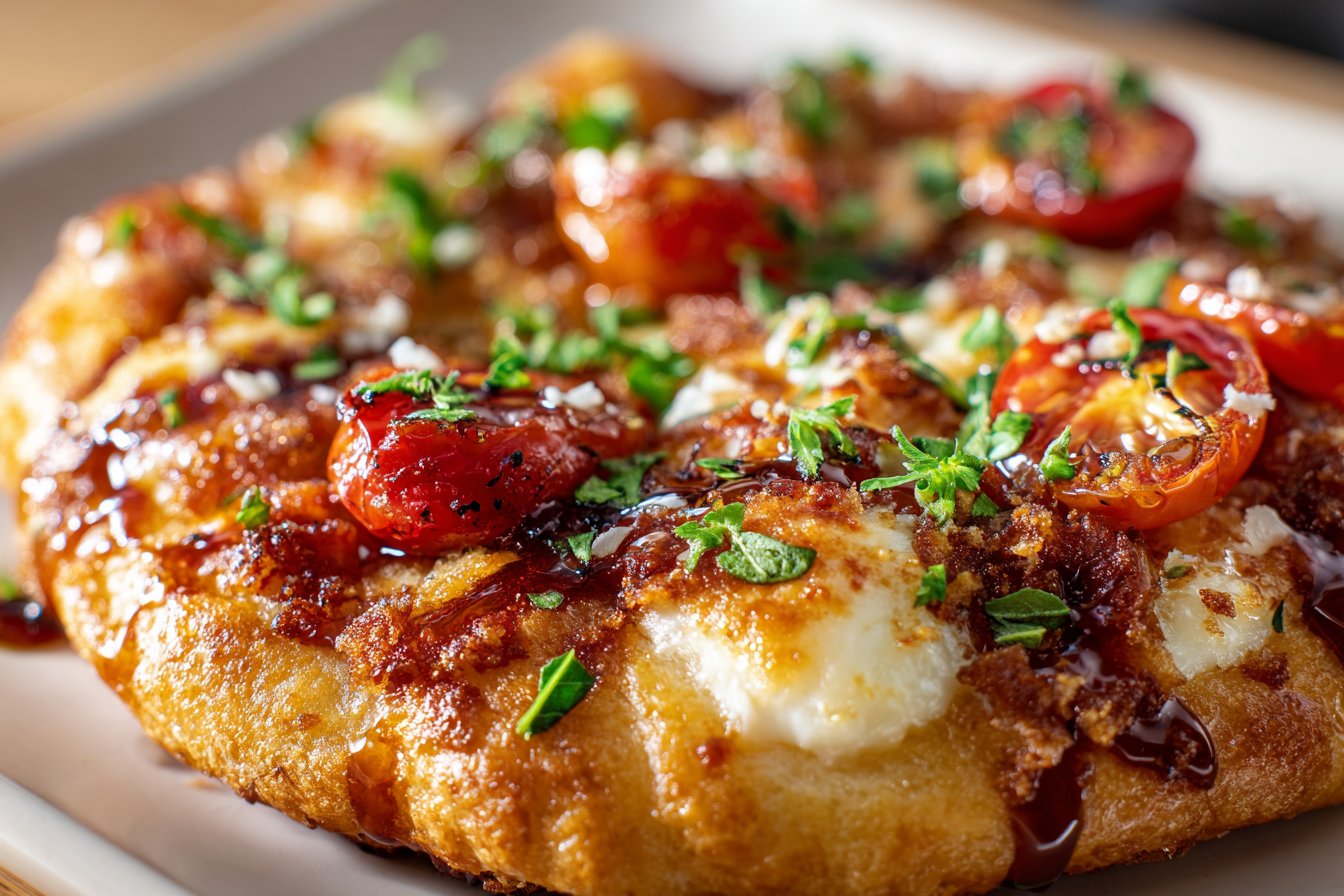
Recipe Card Image of Diabetes Meal Plans & Blood Sugar Tips
Recipe
Diabetes-Friendly Chicken, Veggies, and Quinoa Plate
Ingredients
Method
- Preheat the oven to 400°F and line a large sheet pan with parchment paper.
- In a small bowl, mix 1 tablespoon olive oil, garlic powder, Italian seasoning, smoked paprika, salt, and black pepper.
- Place the chicken breasts on one side of the sheet pan and brush them evenly with the seasoned oil mixture.
- In a large bowl, toss broccoli, bell peppers, and red onion with the remaining 1 tablespoon olive oil and a pinch of salt and pepper.
- Spread the vegetables on the other side of the sheet pan in a single layer around the chicken.
- Roast the chicken and vegetables for 18 to 20 minutes, until the chicken reaches 165°F at the thickest part and the vegetables are tender with lightly charred edges.
- While the sheet pan roasts, add quinoa and chicken broth to a medium saucepan and bring to a boil over medium high heat.
- Reduce heat to low, cover, and simmer quinoa for 15 minutes, then remove from heat and let sit covered for 5 minutes.
- Fluff the quinoa with a fork and stir in the juice from half the lemon and the chopped parsley.
- Slice the cooked chicken into strips and squeeze the remaining lemon half over the chicken and vegetables.
- To build each plate, fill half the plate with roasted vegetables, one quarter with sliced chicken, and one quarter with quinoa.
- Serve each portion with 1 tablespoon plain Greek yogurt on the side if using, and enjoy warm.
Notes
- Store leftovers in airtight containers in the refrigerator for up to 3 days and reheat gently in the microwave with a splash of water if needed.